Take a look at the following link on YouTube: http://www.youtube.com/watch?v=hvVQwpnZTvM
A Thunder of Hippos
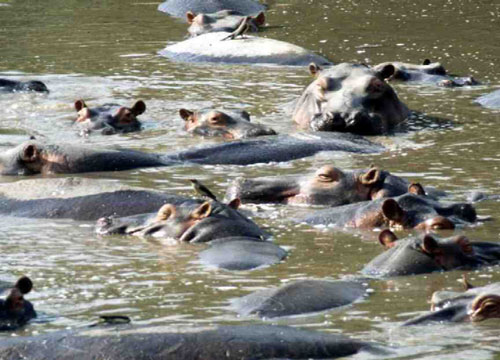
In spite of the fact that Hippos seem to enjoy lying near one another, they are intensely independent animals and the only strong social bonds within their group tend to be between mother and child.
A Convocation of Eagles
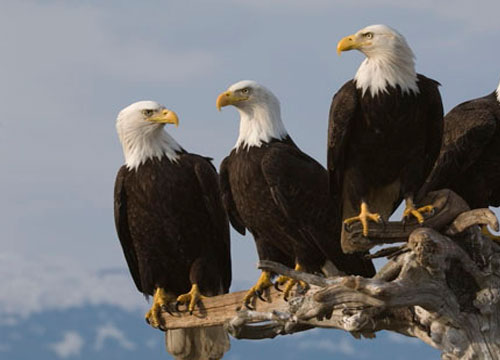
Although it may not seem like it Bald Eagles are extremely social outside of nesting season and are actually thought to be monogamous.
A Murder of Crows
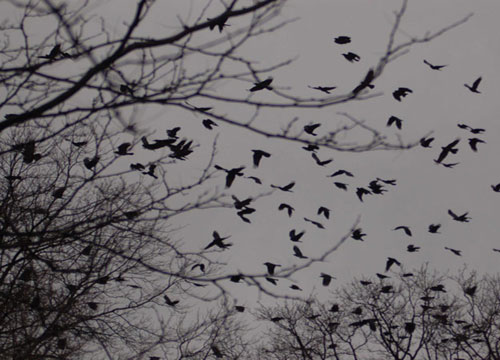
Crows are very social creatures and boast tight knit families. They roost in large numbers to protect themselves from predators and have over 250 identifiable calls they use to communicate.
A Prickle of Porcupines
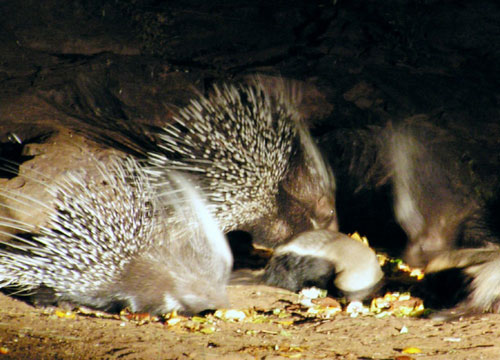
Rarely will you witness this in nature as porcupines are typically very independent and tend to lead solitary lives.
An Intrusion of Cockroaches
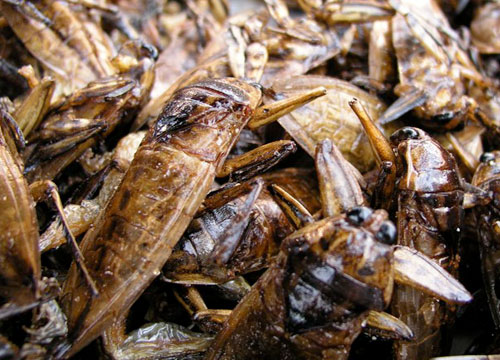
In spite of being so hated, cockroaches are actually extremely social creatures. They are capable of recognizing members of their own family and many times even live together with multiple generations.
A Court of Kangaroos
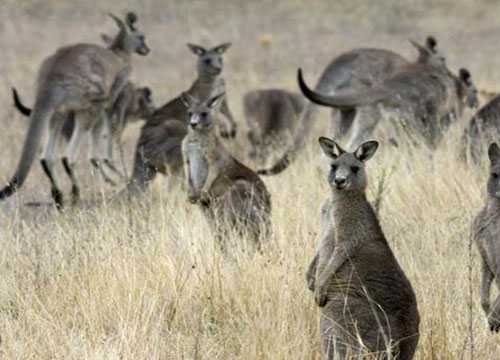
The level of sociability among kangaroos varies drastically with some, usually the larger ones, preferring to live alone.
A Business of Ferrets
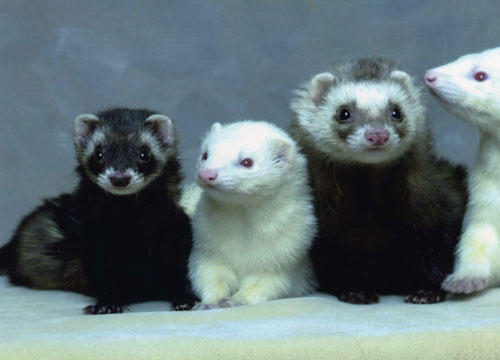
Ferrets are extremely social creatures and unlike their ancestors, known as Polecats, will happily live in large groups.
A Scourge of Mosquitos
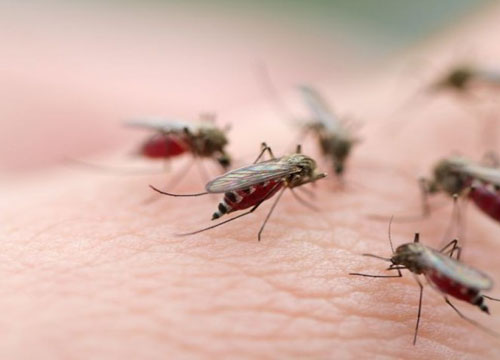
Although their level of sociability remains questionable as they typically only live a maximum of several weeks, mosquitoes do form larges swarms typically for the purpose of mating.
A Sleuth of Bears
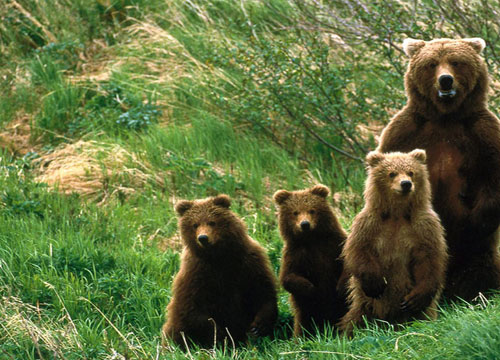
Bears are highly advanced social animals as they form hierarchies among themselves and create structured relationships.
A Conspiracy of Lemurs
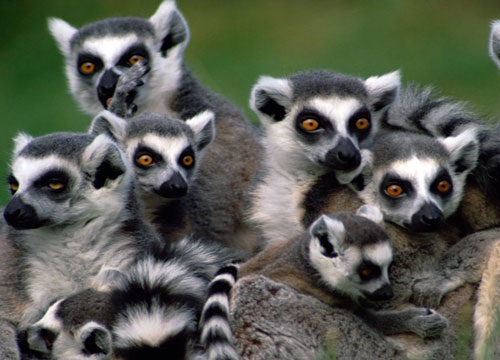
Usually residing in groups as small three, some lemurs form conspiracies that number up to twenty five.
A Hood of Snails
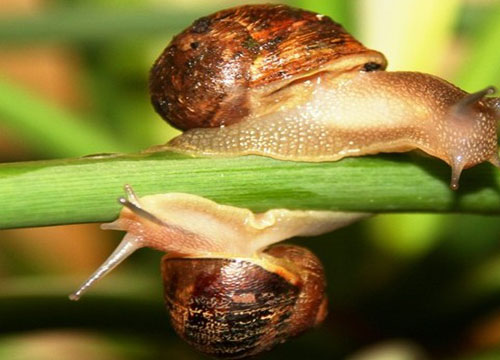
In spite of their sloth, studies have shown that isolation has a negative impact on a snail over the long run, which means that like most other creatures even snails require social bonding.
A Parliament of Owls
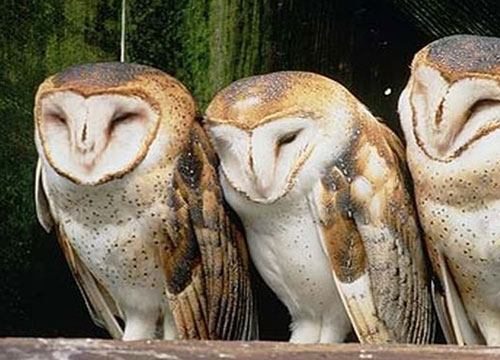
While they tend to be extremely territorial and independent, outside of breeding season many species do form flocks, or parliaments.
A Maelstrom of Salamanders
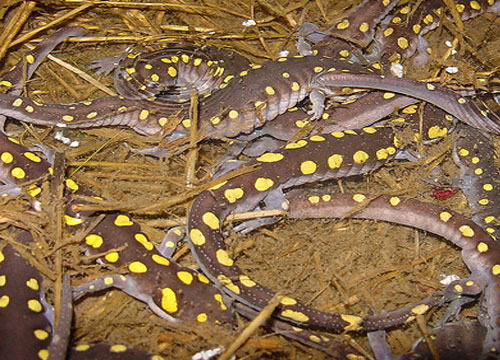
In the wild salamanders are known to live their lives in relative solitude although their may be times that you will find a small group together.
A Cackle of Hyenas
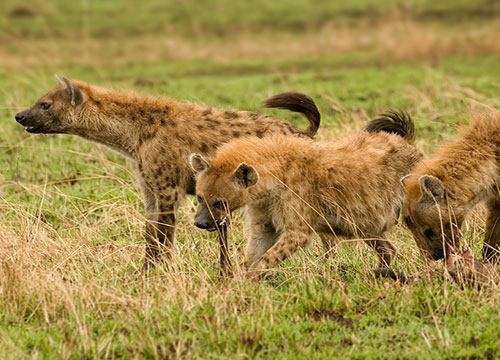
As one of the most socially advanced members of the animal kingdom, hyenas live and hunt in organized social groups that exhibit complex relationships.
A Horde of Hamsters
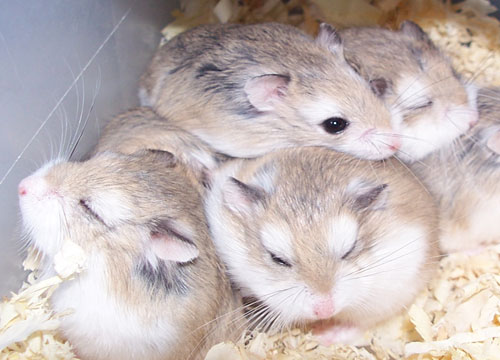
It may come as a surprise but hamsters are one of the more solitary animals on this list. In fact, if you ever try putting them together it quite often results in aggression.
A Coalition of Cheetahs
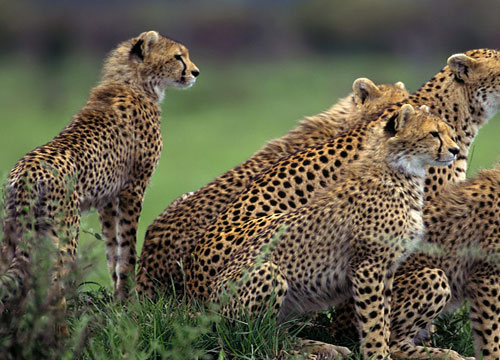
As with most large mammals cheetahs usually live in highly structured social groups, or at least the males do. Females tend to live their own shortly after leaving their cubs to fend for themselves.
A Crash of Elephants
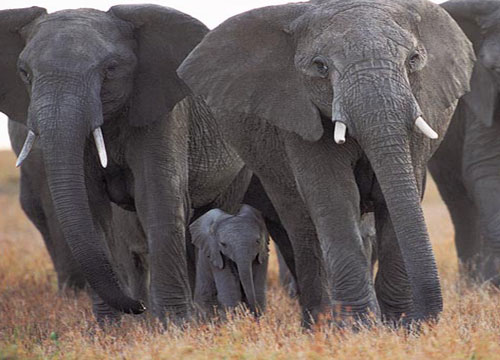
As with cheetahs, it should come as no surprise that elephants are highly social animals. In fact, they have some of the strongest family ties of any animal on this list. They engage in everything from greeting ceremonies and complex communication to teaching and communal care.
A Cauldron of Bats
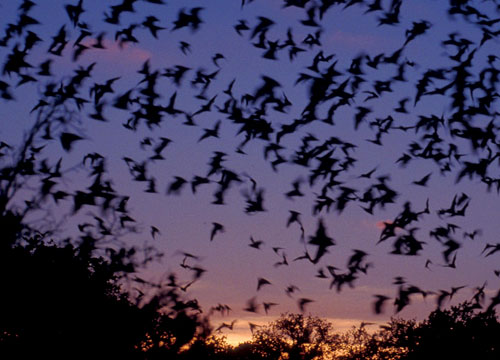
Recent studies have shown that bats are highly socially intelligent creatures that maintain relationships for extended periods of time. Of course this may seem obvious given that they usually reside in large groups, complex social interactions like those seen among primates, elephants, and dolphins usually require large, complex brains.
A Cream of Turkeys
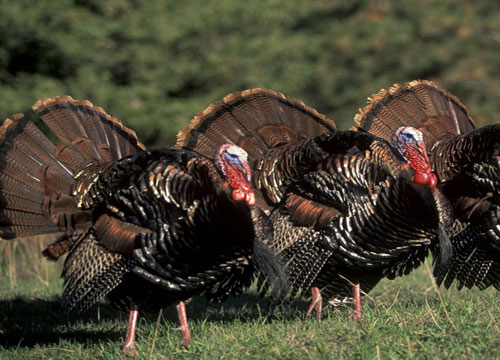
Turkeys are highly social animals that live in “flocks” with a very recognizable pecking order.
A Congregation of Alligators
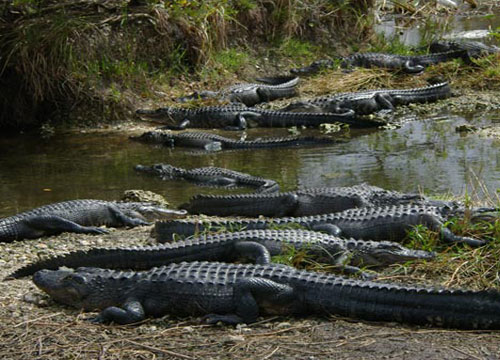
These long-lived territorial creatures are actually highly sociable and display a wide range of complex behavior.
An Audience of Squid
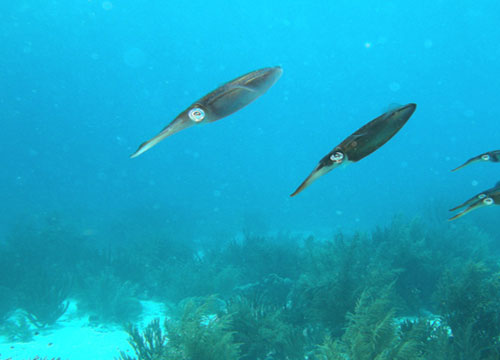
While some species of squid are extremely solitary, others exhibit advanced social relationships with complex communication among group members.
A Tower of Giraffes
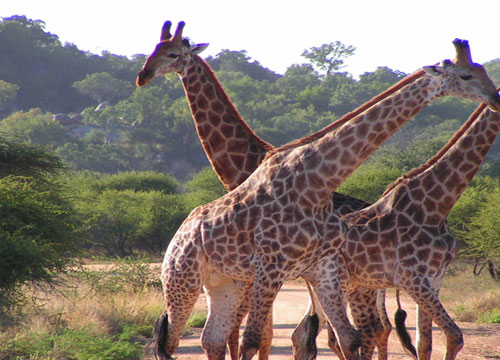
Giraffes are non territorial, social animals. They live in open herds with no specific leader and generally there is a lack of coordination in herd movement.
A Risk of Lobsters
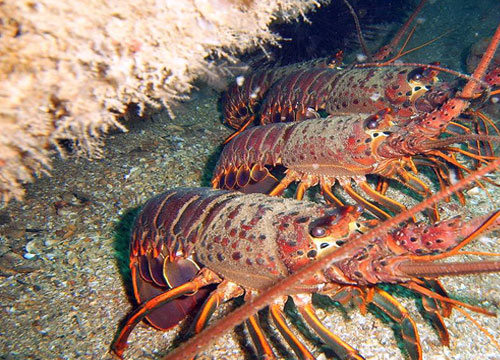
If you see one lobster, chances are you’ll probably see more. They are very social animals and tend to live in close proximity to one another.
A Pot of Water Buffalo
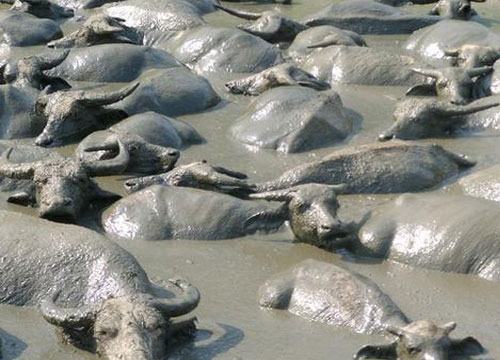
Water buffalo have been known to form herds that range anywhere from 10 members to over 100.
A Shiver of Sharks
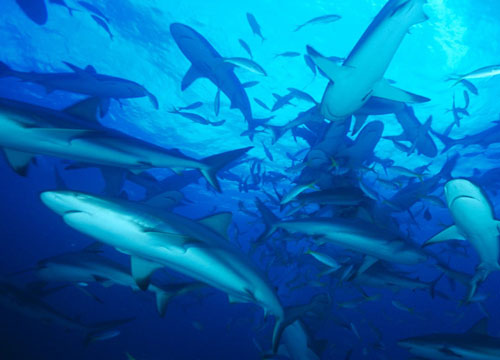
Although it is rare, sharks do congregate from time to time. For the most part, however, the stigma holds true as they are highly independent and solitary predators with even the offspring of some species left to fend for themselves.