Tianjin Metro
 https://www.railway-technology.com/projects/tianjin-metro/
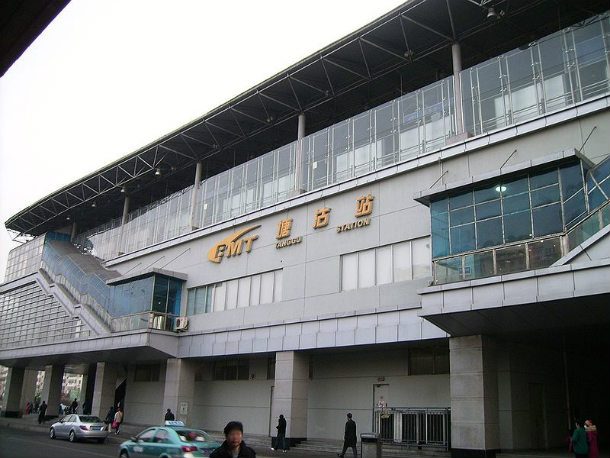
 The second city in China to open a metro system after Beijing, Tianjin has 80 miles of track that services 76 stations.
Busan Subway
 https://www.korea4expats.com/article-busan-metro-system-subway.html
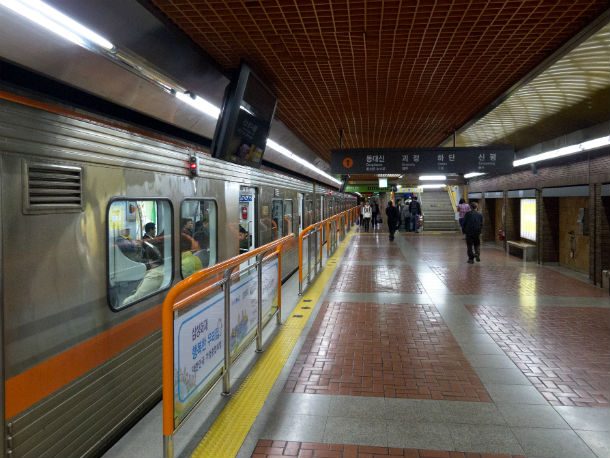
 As the subway system of Busan in South Korea, this underground network has 128 stations along 81 miles of track.
Osaka Municipal Subway
 http://mapa-metro.com/en/japan/osaka/osaka-subway-map.htm
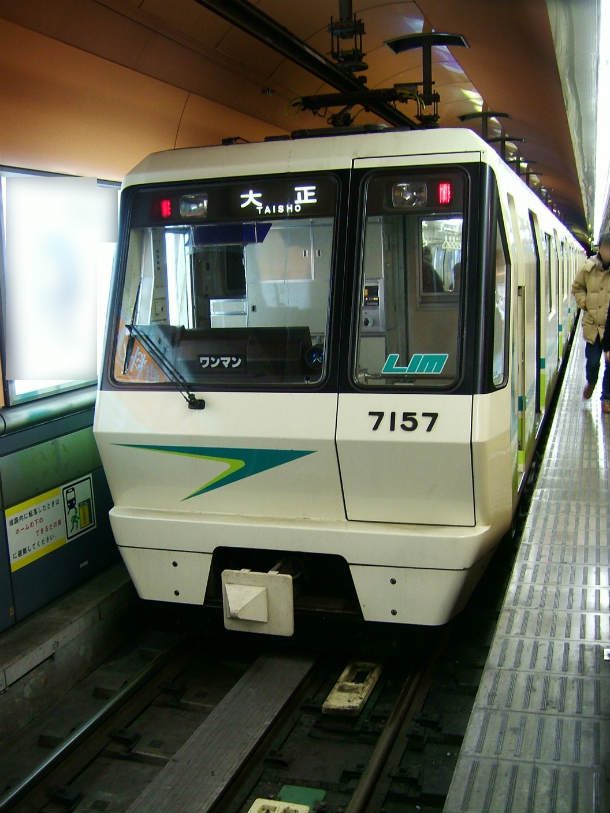
 An integral part of the extensive mass transit system of Greater Osaka, the Osaka Municipal Subway runs for 86 miles and stops at 101 stations.
Hamburg S-Bahn
 https://www.railway-technology.com/projects/hamburg-s-bahn/
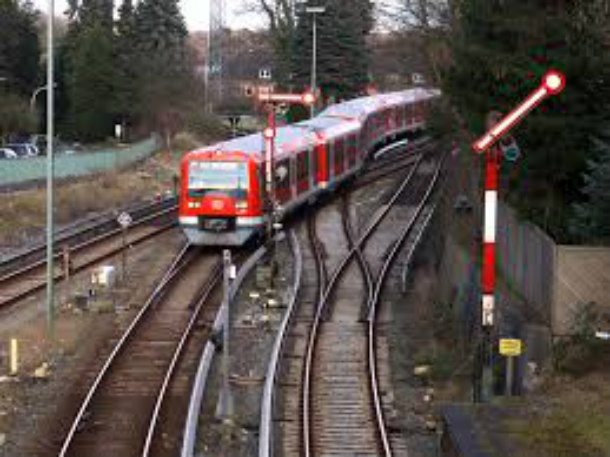
 This rail network in the German city of Hamburg makes stops at 68 stations along 86 miles of track.
Mass Rapid Transit (Singapore)
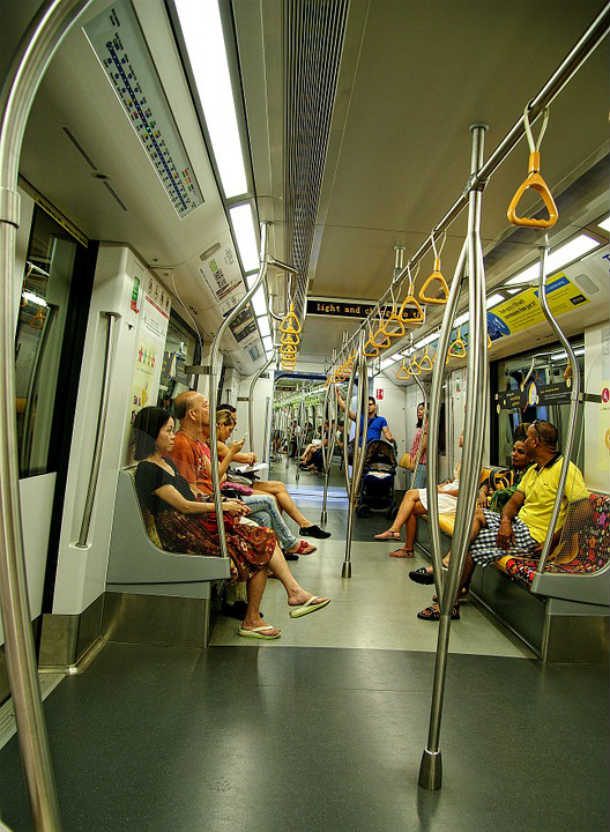 https://kids.kiddle.co/Mass_Rapid_Transit_(Singapore)
 Spanning the entire city-state of Singapore, the MRT services 89 stations along its 91 miles of track.
Bay Area Rapid Transit (BART)
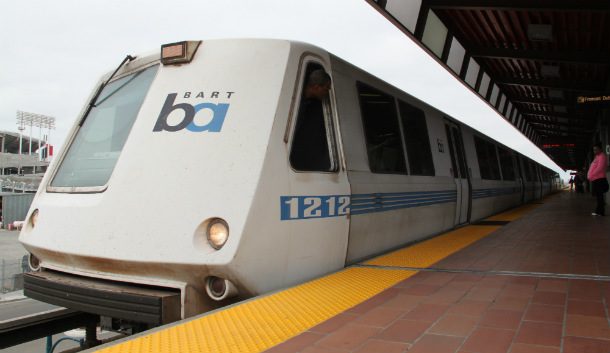 https://www.bart.gov/about/history/facts
 Serving the San Francisco metropolitan area, BART operates five lines on 104 miles of track with 44 stations.
Washington Metro
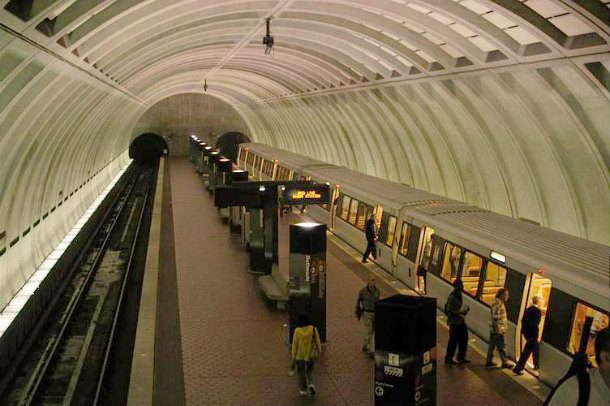 https://www.cnn.com/2013/11/03/us/dc-metro-system-fast-facts/index.html
 Commonly referred to as the Metrorail, Washington’s rapid transit system is the second busiest in the United States after the New York Subway.
Chicago ‘L’
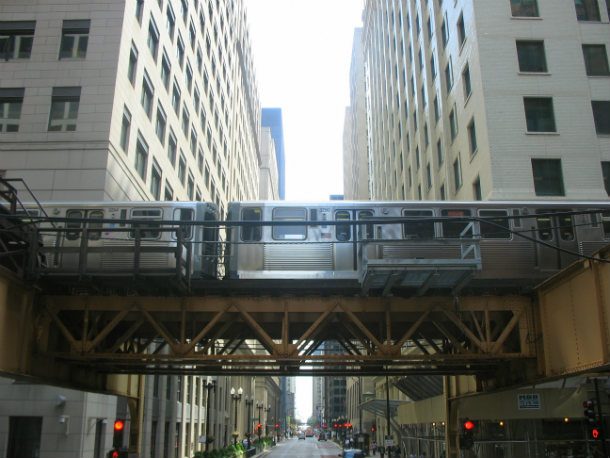 https://www.thrillist.com/lifestyle/chicago/things-you-didnt-know-about-the-l-chicago-train-facts-and-trivia#
 Short for “elevated”, the L is the rapid transit system serving the city of Chicago and its surrounding suburbs. It’s the second longest rapid transit system in the United States after New York and the third busiest (after New York and Washington D.C.).
Mass Transit Railway (MTR)
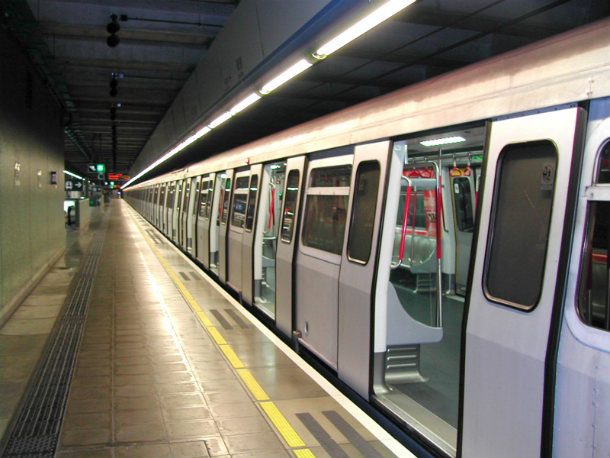 https://kids.kiddle.co/MTR
 The official rapid transit railway system in Hong Kong, the MTR covers 108 miles of track and stops at 82 stations.
Metro Valencia
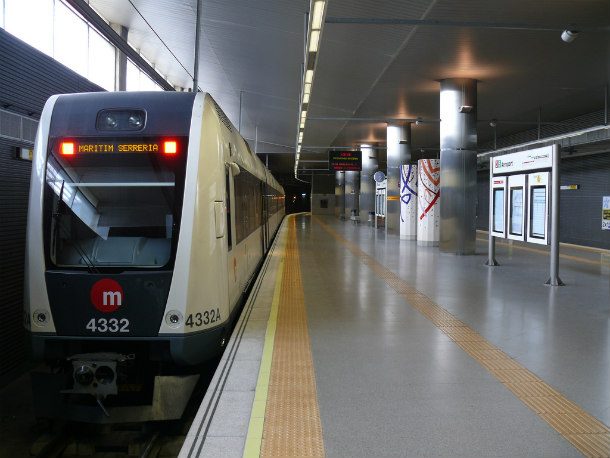 http://www.fgv.es/conoce-fgv/fgv-en-cifras/metrovalencia-en-cifras/metrovalencia-historical-evolution/?lang=en
 This large suburban network crosses the city of Valencia, with all trains continuing out to far-flung suburbs. It has 109 miles of track and 169 stations.
S-train
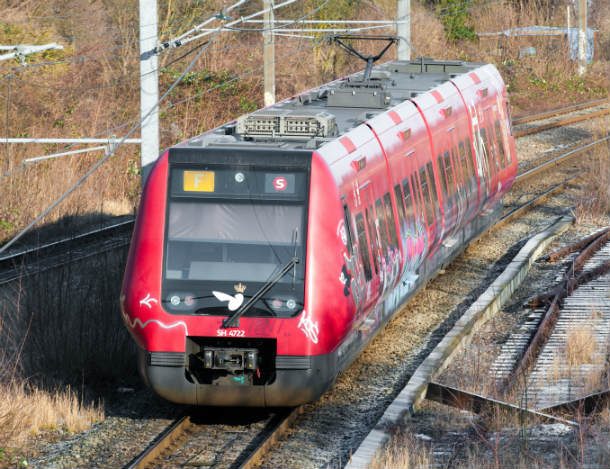 https://www.railway-technology.com/features/featurethe-worlds-longest-railway-networks-4180878/
 This combined urban rapid transit and suburban rail network serves the Copenhagen metropolitan area and connects the city center with the suburbs.
Shenzhen Metro
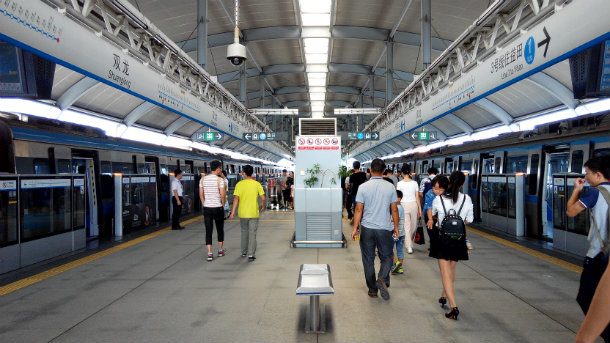 https://www.railway-technology.com/projects/shenzhen-metro-rapid-transit-system-china/
 A relatively new metro system, Shenzhen is the sixth city in China to open an underground transportation system. It has 111 miles of track and 137 stations.
Delhi Metro
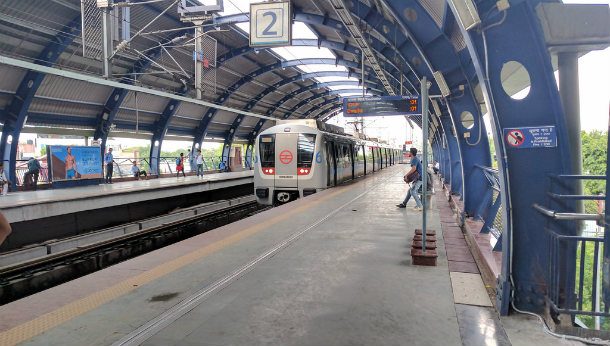 https://timesofindia.indiatimes.com/city/delhi/metro-set-to-add-120km-in-2018-will-become-worlds-4th-largest-network/articleshow/62286997.cms
 Possibly one of the most dangerous modern metros to construct in terms of life lost, over 100 people have died in the last decade working on various expansions to the network.
Tokyo Metro
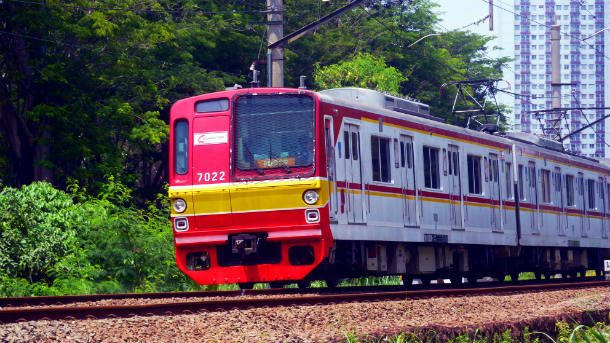 https://www.railway-technology.com/features/featurethe-worlds-longest-metro-and-subway-systems-4144725/
 One of two separate metro systems used by the citizens of Tokyo, the Tokyo Metro gets so full during peak hours that specially trained individuals known as Oshiya, or “pushers,” are used to cram people into crowded trains before they depart the station.
Guangzhou Metro
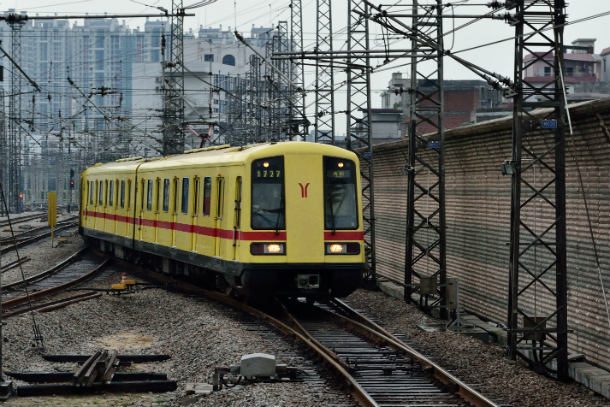 https://ipfs.io/ipfs/QmXoypizjW3WknFiJnKLwHCnL72vedxjQkDDP1mXWo6uco/wiki/Guangzhou_Metro.html
 The fourth metro system to be constructed in China after Beijing, Tianjin, and Shanghai, the Guangzhou underground is the sixth busiest in the world and has 120 stations lining 134 miles of track.
Paris Metro
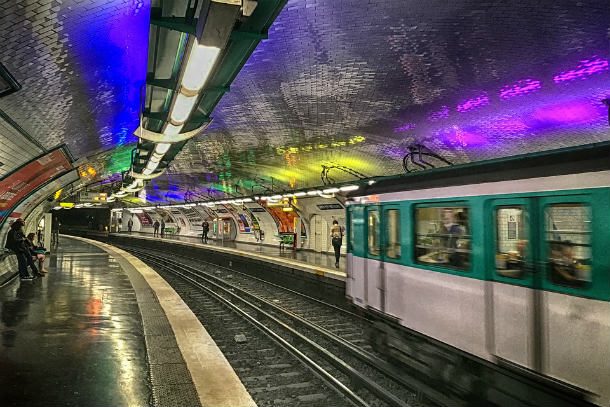 https://www.railway-technology.com/features/featurethe-worlds-longest-metro-and-subway-systems-4144725/
 With one of the densest metro systems in the world, Paris has 301 stations dotting 133 miles of underground track.
Mexico City Metro
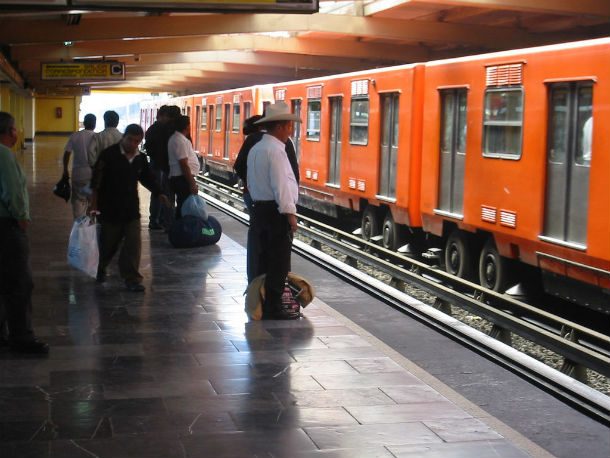 https://theculturetrip.com/north-america/mexico/articles/a-brief-history-of-the-mexico-city-metro/
 The Mexico City Metro is the second largest metro system in North America after New York City with 195 stations and 140 miles of track.
Madrid Metro
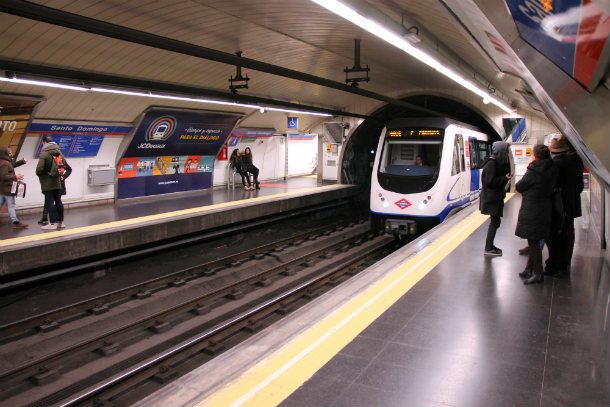 https://www.metromadrid.es/en/viaja_en_metro/red_de_metro/planos/
 Although Madrid is only the 50th most populous city in the world, its metro is the 6th longest with 182 miles of track dotted by 300 stations.
Moscow Metro
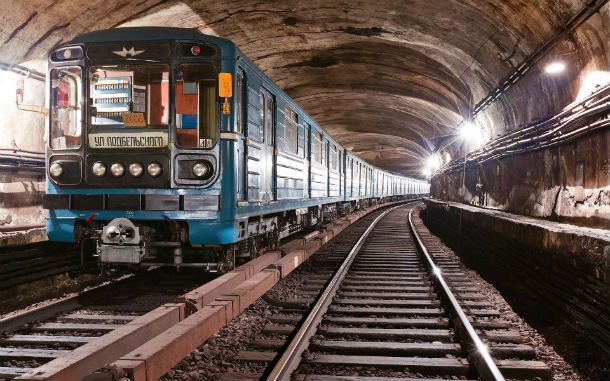 https://www.visitrussia.org.uk/blog/the-moscow-metro-a-few-facts/
 After Tokyo and Seoul, the Moscow Underground is the third busiest rapid transit system in the world. It has 186 stations lining 192 miles of track.
Berlin S-Bahn
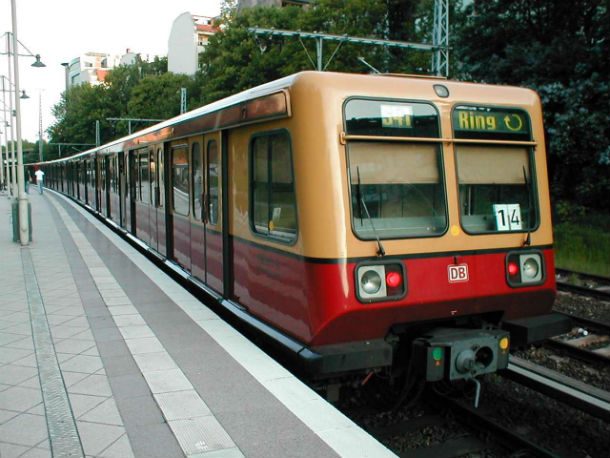 https://www.berlin.de/en/public-transportation/1746751-2913840-sbahn.en.html
 Short for Schnellbahn, or “fast train,” the Berlin S-Bahn has 166 stations along 206 miles of track.
New York City Subway
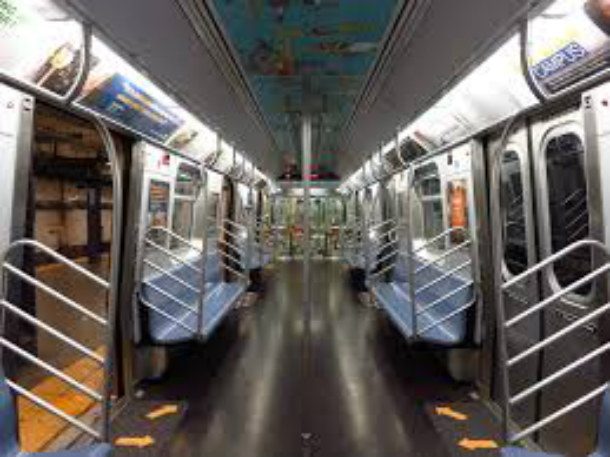 https://www.6sqft.com/the-new-york-city-subway-in-fascinating-facts-and-figures/
 Probably the most well known metro in the world when it comes to the number of stations, New York City has them all beat with 421. Unlike some of its Asian counterparts, however, it has a bit less track totaling only 209 miles.
Beijing Subway
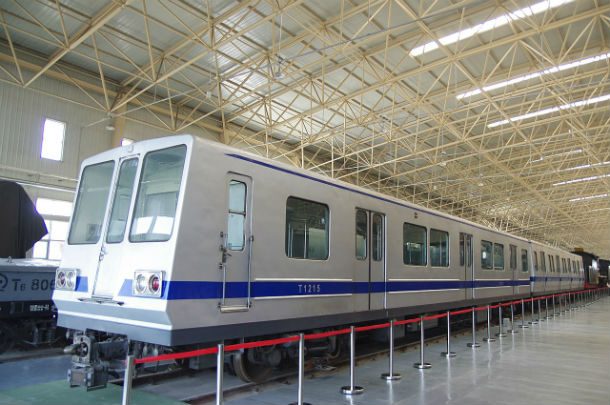 https://www.railway-technology.com/projects/beijing_subway/
 Having undergone rapid expansion in the last decade, the Beijing Subway now has 218 stations along 231 miles of track.
Seoul Metropolitan Subway
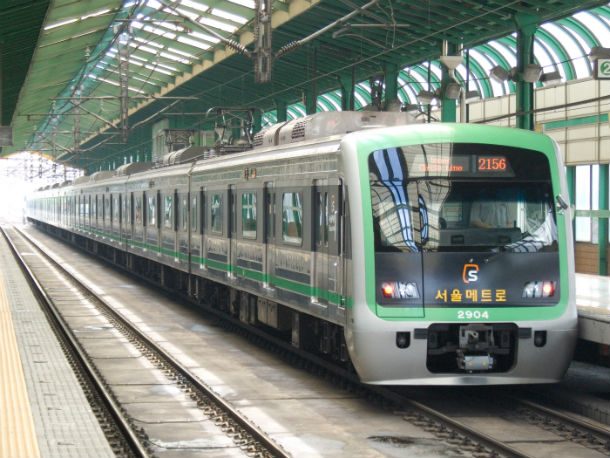 https://english.visitkorea.or.kr/enu/TRP/TP_ENG_6.jsp
 Possibly the most heavily used metro system in the world, everyday, nearly 8 million people are shuffled among 314 stations on 242 miles of track.
London Underground
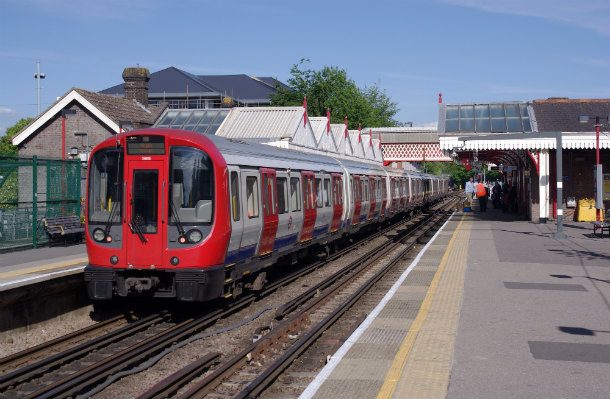 https://tfl.gov.uk/tube/route/metropolitan/
 As the oldest metro system in the world, the London Underground contains track dating back to 1863. It serves 270 stations over 250 miles of track.
Shanghai Metro
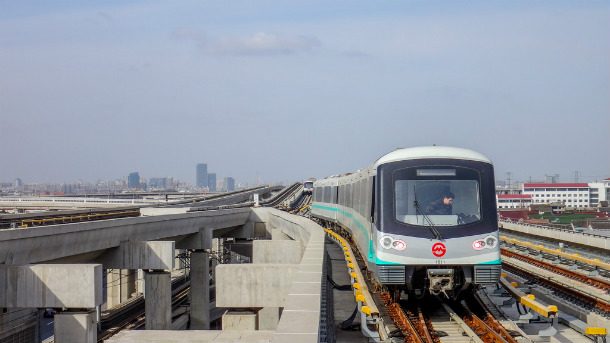 http://service.shmetro.com/en/
 Opening in 1995, the Shanghai Metro is one of the fastest growing rapid transit systems in the world. Although it has only 285 stations, it covers 264 miles of track, more than any other metro in existence.
Lists Going Viral Right Now









Which metro system do you think is the most impressive? Which have you used? Share your thoughts in the comments below!

















.jpg)


