We exist in an extraordinary era. Today, we have the ability to traverse half the globe in just twelve hours, our smartphones are a jaw-dropping 60,000 times lighter than the first computers, and we’ve achieved unparalleled levels of agricultural harvest and lifespan. These technological wonders resulted from the brilliance of a few remarkable individuals – the scientists, inventors, and trailblazers who created the machinery and products that form the foundation of our contemporary life. Without these pioneers and their revolutionary creations, we might still be living in an age where we retire at sunset and remain confined in technology’s medieval period, an epoch devoid of platforms such as Snapchat and Twitter.
In this list, we delve into the most important and crucial recent human inventions, giving the back story of each invention and their importance in pushing humanity forward. Can you guess which inventions will show up? From methods to sanitize food and increase its safety to a toxic gas which helped form the basis for international commerce to an invention which sparked a sexual revolution and liberated millions of people, each of these creations has touched our world in a profound way. Check them out on our list of the 25 Remarkable Inventions That Have Changed Everything.
Cyanide
 Source: Scientific American, Image: American Patriot via YouTube
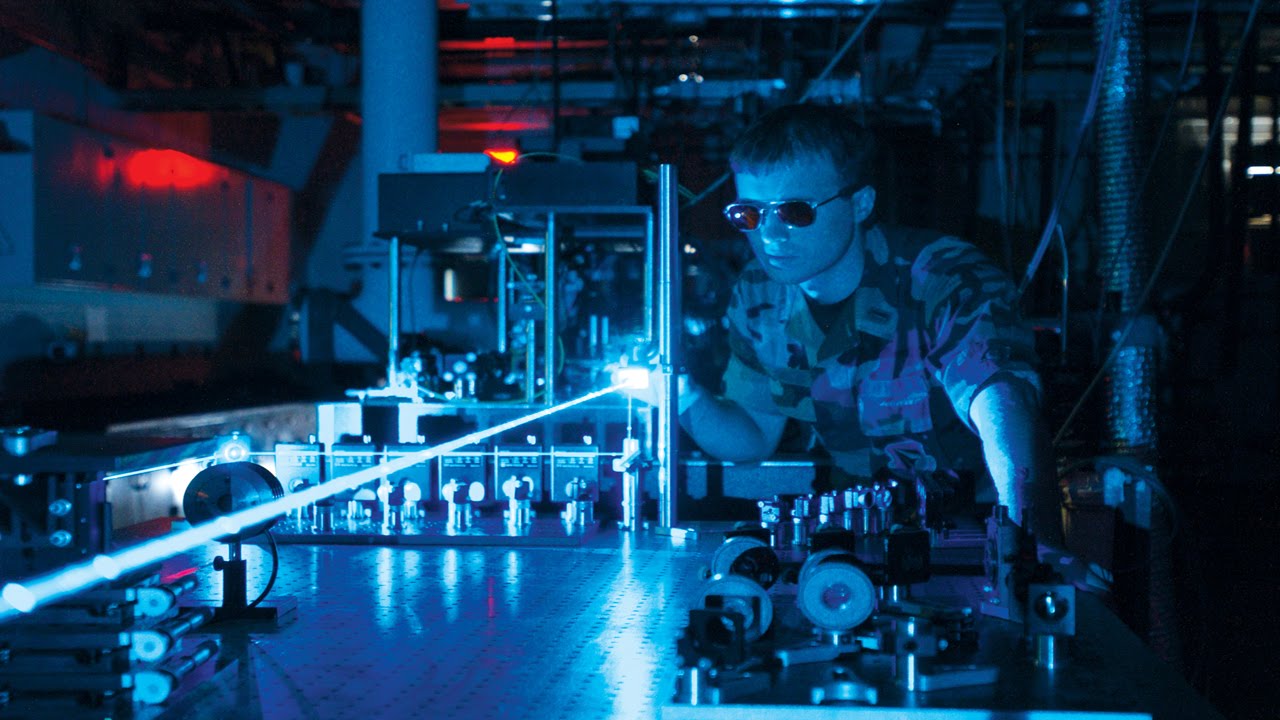
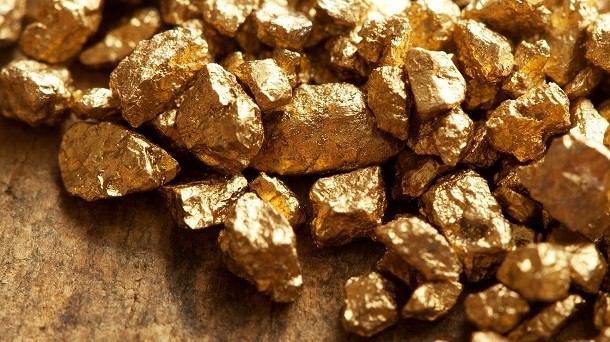
 Though cyanide seems to be a rather glum way to start our list, the chemical has played a major role in human history. While its gaseous form has caused the deaths of millions, cyanide is the principal factor in extracting gold and silver from ore. Since the global economy was pegged to the gold standard, cyanide was thus a major factor in the development of international commerce.
Airplane
 Source: Startup Guide, Image: Wikipedia
 Nobody can doubt that the invention of the “metal bird” has had one of the greatest impacts on human history. Drastically reducing the time required to transport goods or people, the airplane was invented by the Wright brothers who built on the work of previous inventors such as George Cayley and Otto Lilienthal. It was readily accepted by greater society, and the golden age of aviation began.
Anesthesia
 Source: The History of Anesthesiology, Image: Wikipedia
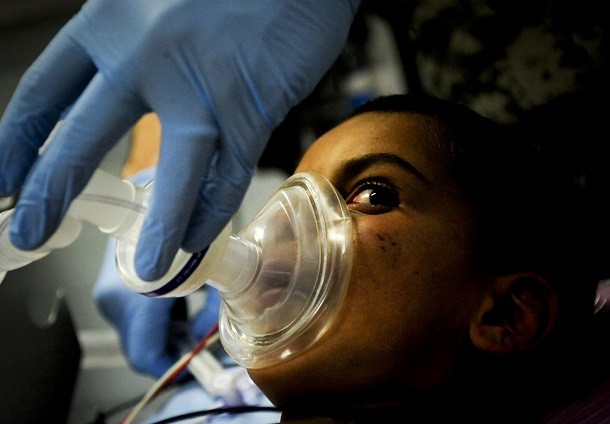
 Before 1846, it was difficult to determine between modern surgical procedures and excruciating torture experiments. Anesthetics have been used for thousands of years, though early forms were less sophisticated versions such as alcohol or mandrake extract. The modern-day invention of anesthesia in the form of nitrous oxide and ether has allowed doctors to wholly sedate patients while performing medical procedures. (Bonus fact: It’s said cocaine was the first effective local form of anesthesia after its use in an eye surgery in 1884.)
Radio
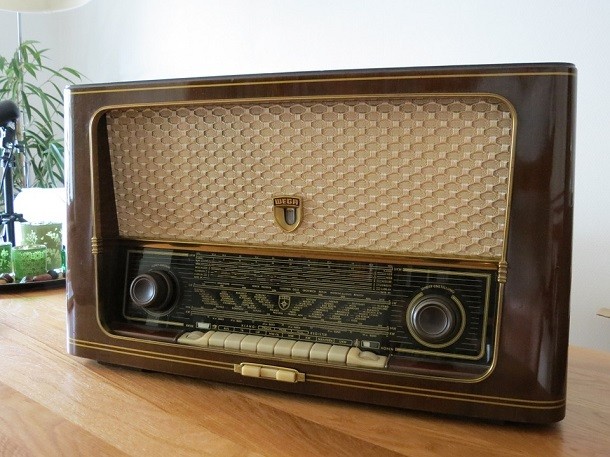 Source: Startup Guide, Image: Pixabay
 The origins of radio history are complex, with many claiming Guglielmo Marconi was its inventor and others claiming it was Nikola Tesla. Either way, these two men built on the work of many notable predecessors to successfully transmit information through waves. While this may seem commonplace today, imagine trying to tell someone in 1896 that you could invisibly send information through the air. They might have though you were demented or possessed!
Telephone
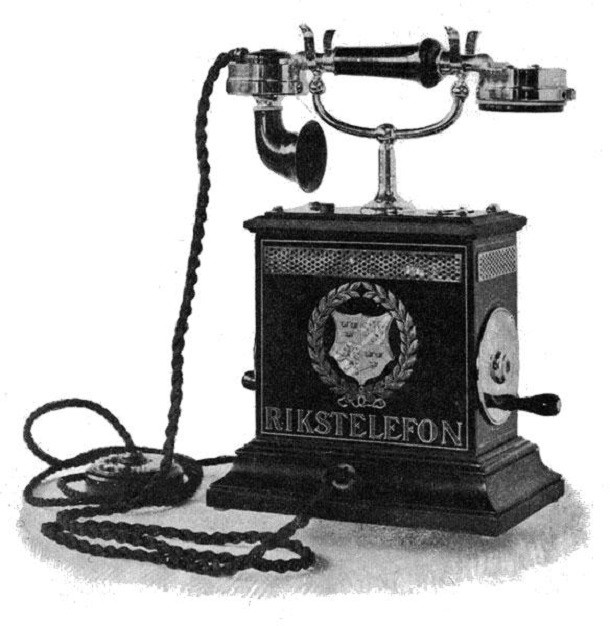 Source: Startup Guide, Image: Wikipedia
 The telephone has been one of the most important inventions in our modern world. As with all major inventions, its inventor and contributors are highly debated, but what’s clear is that the U.S. patent office issued the first telephone patent to Alexander Graham Bell in 1876. This patent formed the basis for future research and development of the electronic transmission of sound across long distances.
World Wide Web
 Source: Startup Guide, Image: Wikipedia
 Though we think of it as a recent invention, the internet existed in archaic terms back in 1969 when the United States military developed ARPANET. The first message sent through the internet – “log in” – crashed the system, only managing to send the letters “l” and “o”. It wasn’t until Tim Berners-Lee created a network of hyperlink documents and the University of Illinois created the first browser, Mosaic, that the World Wide Web came to fruition as we mostly know it today.
Transistor
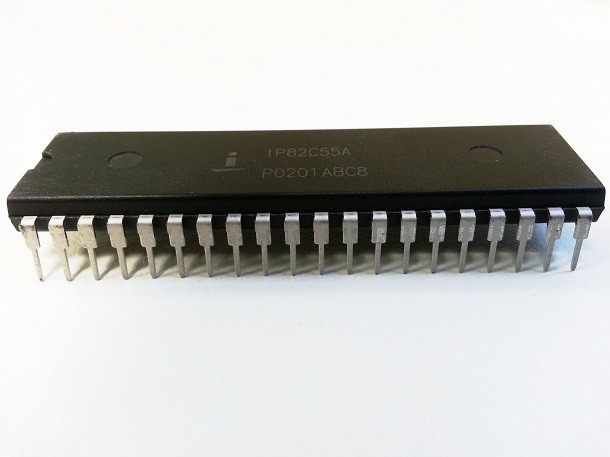 Source: Startup Guide, Image: Public Domain Pictures
 It seems easy to pick up the phone and be connected to someone in Mali, Russia, or India, but none of this would be possible without the transistor. A semiconductor which amplifies electronic signals, the transistor made it possible to send information across massive distances. The man in charge of the research, William Shockley, is credited with beginning the development of Silicon Valley.
Atomic Clock
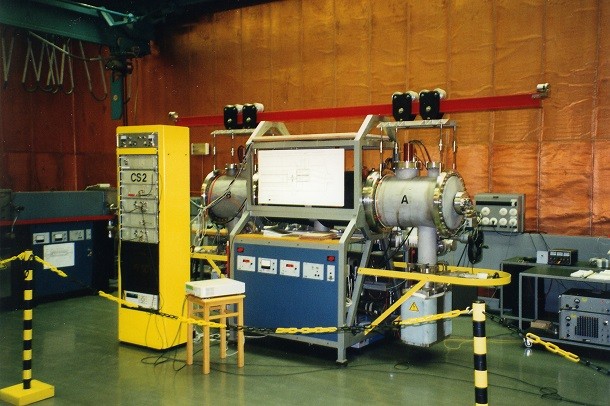 Source: GPS.gov, Image: Wikipedia
 Though it may not seem as revolutionary as many of the previous items, the invention of the atomic clock was crucial in pushing humanity forward. Using microwave signals emitted by electrons changing energy levels, atomic clocks and their exactness make a wide variety of modern day inventions possible, including GPS, GLONASS, and the internet.
Steam Turbine
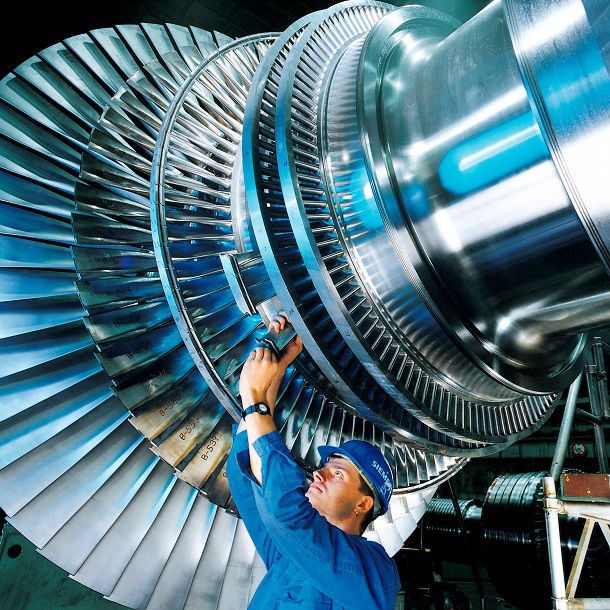 Source: Scientific American, Image: Wikipedia
 Charles Parsons’ steam turbine pushed the limits of humanity’s advancement, powering industrial countries and helping ships chug their way across vast oceans. The engines work by turning a shaft via pressurized steam to generate electricity, one of their primary differences from the steam engine that powered the Industrial Revolution and beyond. In 1996 alone, 90% of electric power in the U.S. was generated by steam turbines.
Plastic
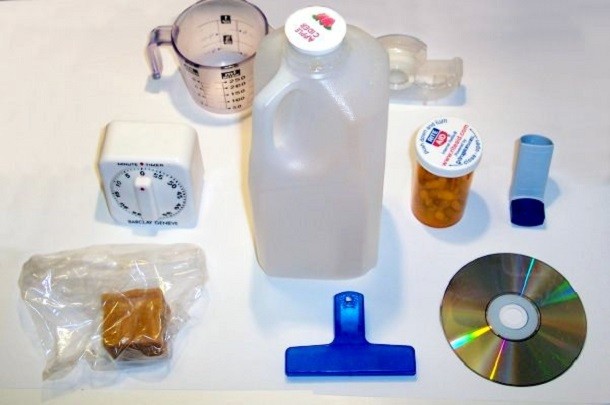 Source: BBC, Image: Wikipedia
 Despite how ubiquitous it seems in our modern-day society, plastic is an incredibly recent invention, popping up only in the past century. The water-resistant, highly-malleable material is used in nearly every industry, from food packaging to toys and even to spaceships. Though most modern-day plastics are derived from petroleum, there has been a push to move back to the original versions which were partly natural and organic.
Television
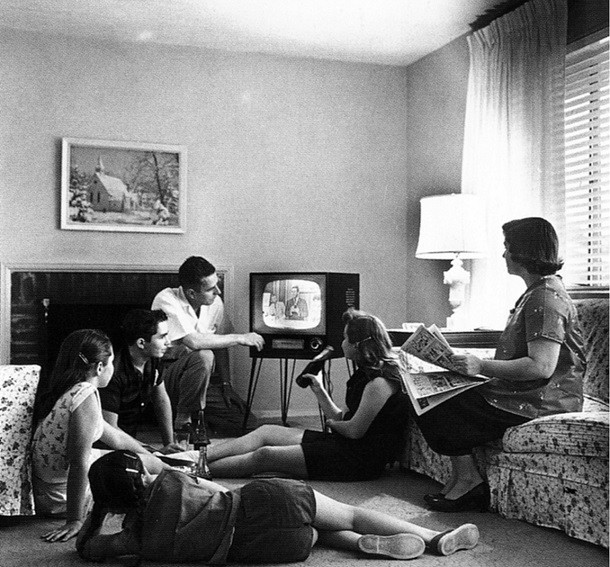 Source: Startup Guide, Image: Wikipedia
 Television has had a long and storied history, starting in the 1920’s and advancing through to modern-day features such as DVDs and plasma screens. One of the most popular consumer products around the world – almost 80% of households own a TV – this invention was the result of multiple previous advancements which built the product which became the primary influencer of public opinion in the mid-20th century.
Petroleum
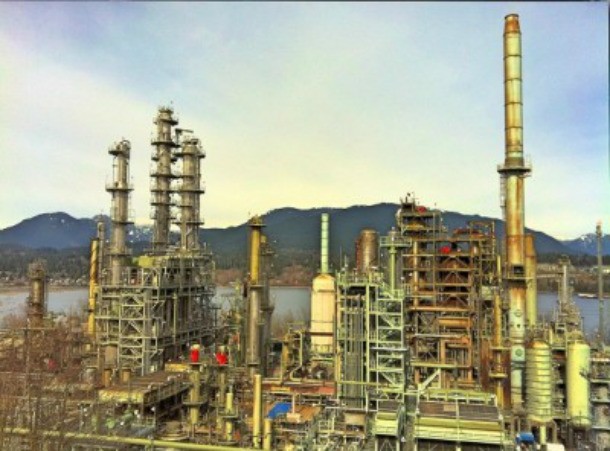 Source: Startup Guide, Image: Wikipedia
 Most of us don’t think twice when filling up our gas tanks. Though humans have been extracting oil for millennia, the modern-day oil and gas industry really kicked off in the latter half of the nineteenth century after modern street lamps emerged on the scene. Seeing its use, industrialists rushed to build wells to extract the “liquid gold,” so called because of the massive amount of energy it produced when burned.
Internal Combustion Engine
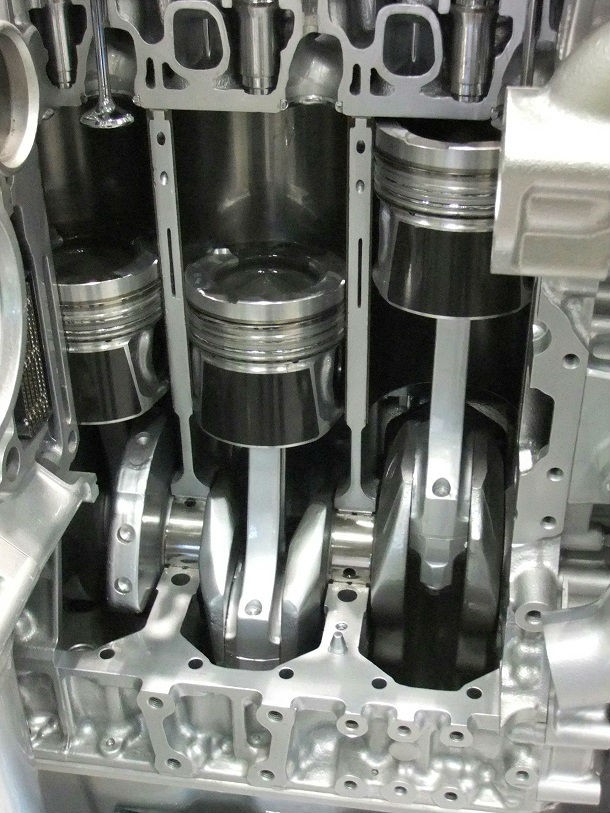 Source: Scientific American, Image: Wikipedia
 Without the efficiency of petroleum, we wouldn’t have the modern internal combustion engine. Having a multitude of uses from automobiles to agricultural harvesters to diggers, these engines allow humans to replace back-breaking, laborious, and time-consuming work with a machine which could get it done in a fraction of the time. The internal combustion engine also gave us freedom of movement as it was used in the original self-propelled vehicles (cars).
Reinforced Concrete
 Source: The Elements of Structure, Image: Wikipedia
 Humanity hit a limit in the height it could safely construct buildings until reinforced concrete came along in the mid-nineteenth century. Made by embedding steel reinforcing bars (rebar) in concrete before it’s poured, reinforced concrete allowed man-made structures to bear much greater weight, allowing us to build bigger than ever before.
Penicillin
 Source: Startup Guide, Image: Wikipedia
 We would have a lot fewer humans on the planet today if it weren’t for penicillin. Officially discovered by Scottish scientist Alexander Fleming in 1928, penicillin has been one of the most important inventions (more so a discovery) which has made our modern world possible. The antibiotics were among the first medicines to properly fight off staphylococci, syphilis, and tuberculosis.
Refrigeration
 Source: Fresh : a perishable history, Image: Wikipedia
 Harnessing fire was possibly the most important human discovery to date, but it would take many millennia until we harnessed the cold. Though humans have long used ice for cooling, its practicality and availability was limited. The nineteenth century saw a great deal of advancement as notable scientists invented artificial refrigeration by using chemicals to wick away heat. By the early 1900’s, nearly every meat-packing house and major food distributor used artificial cooling to preserve their products.
Pasteurization
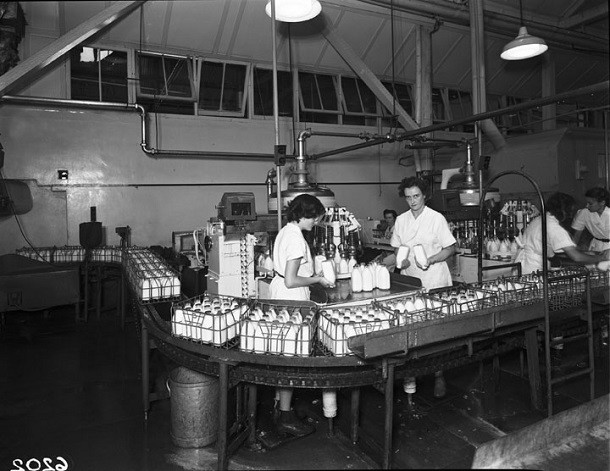 Source: Dairy Council of Northern Ireland, Image: Wikimedia
 Saving people a half-century before penicillin’s discovery, Louis Pasteur’s new process of pasteurization successfully heated foods – originally beer, wine, and dairy products – to a temperature sufficiently high enough to kill most spoilage-causing bacteria. In contrast to sterilization which kills all bacteria, pasteurization only lowers the number of potential pathogens to a level where they likely won’t make you sick while still maintaining the taste of the food.
Solar Battery
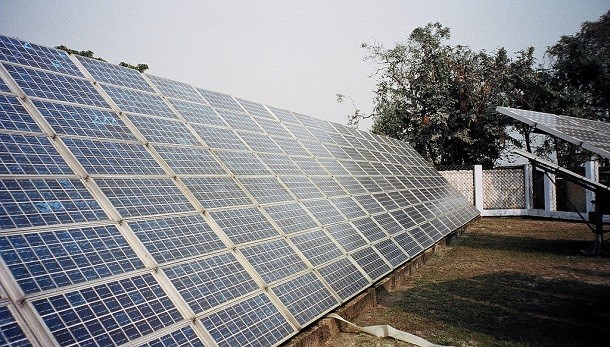 Source: A History of Engineering and Science in the Bell System, Image: hiyori13 via Flickr
 Just as petroleum jolted humanity into an industrial world, the invention of the solar battery has allowed us to harness a renewable form of energy in increasingly efficient ways. The first practical solar battery was developed in 1954 by Bell Telephone scientists who diffused boron into silicon. Over the years, the efficiency of solar cells has drastically increased as their popularity has increased.
Microprocessor
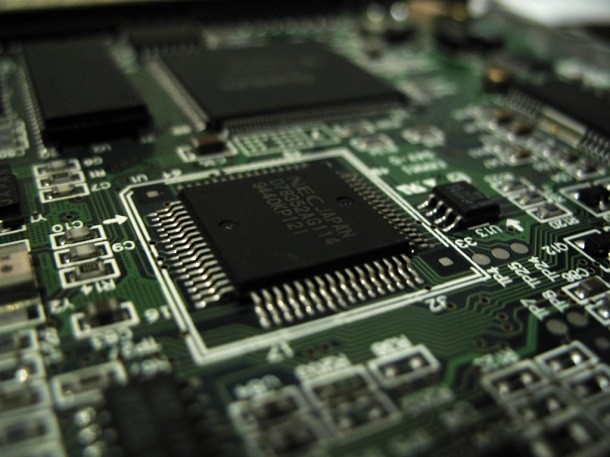 Source: Startup Guide, Image: jcubic via Flickr
 You’d have to forget about your laptop and smartphone if the microprocessor had not been invented. One of the most widely known supercomputers, the ENIAC, was built in 1946 and weighed in at 60,000 pounds (27,215 kg). Intel researcher and global superhero Ted Hoff created the first microprocessor in 1971, reducing the supercomputer’s functions into one small chip and making it possible for portable computers to enter the scene.
Laser
 Source: University of Chicago, Image: Wikipedia
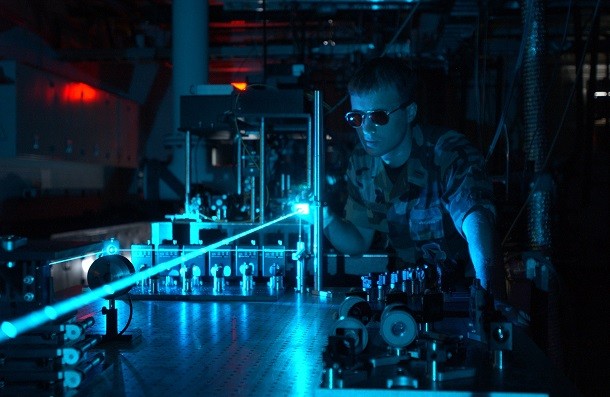
 An acronym for Light Amplification by Stimulated Emission of Radiation, the laser was invented in 1960 by Theodore Maiman. The amplified light is held together by spatial coherence which allows the light to remain focused and concentrated across long distances. Modern-day lasers are used across a host of products, including laser cutters, barcode scanners, and surgical equipment.
Nitrogen Fixation
 Source: Scientific American, Image: Wikipedia
 Though it may seem like a lofty term, nitrogen fixation is responsible for the explosion of the human population. By converting atmospheric nitrogen into ammonia, we were able to produce highly effective fertilizers which allowed the same plot of land to increase its production, greatly improving our agricultural outputs.
Assembly Line
 Source: The Atlantic, Image: Wikipedia
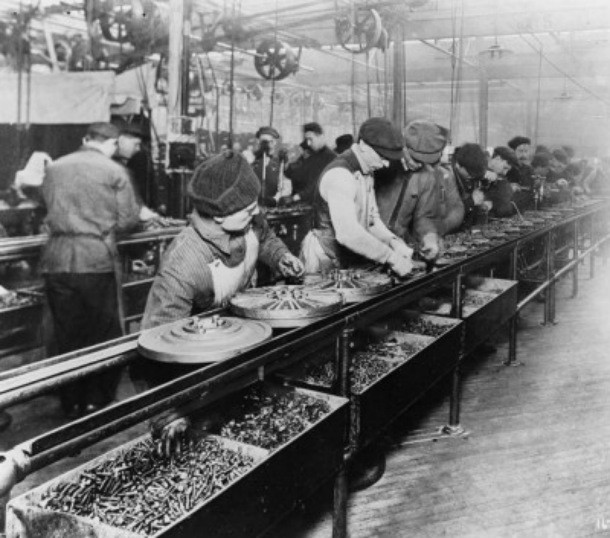
 The impact now-mundane inventions had in their time are rarely remembered, but it’s impossible for us to overstate the importance of the assembly line. Before its invention, items were laboriously made by hand. The assembly line allowed for high-volume production of identical parts, drastically cutting the time it took to create a new product.
The Pill
 Source: New York Times, Image: Wikimedia
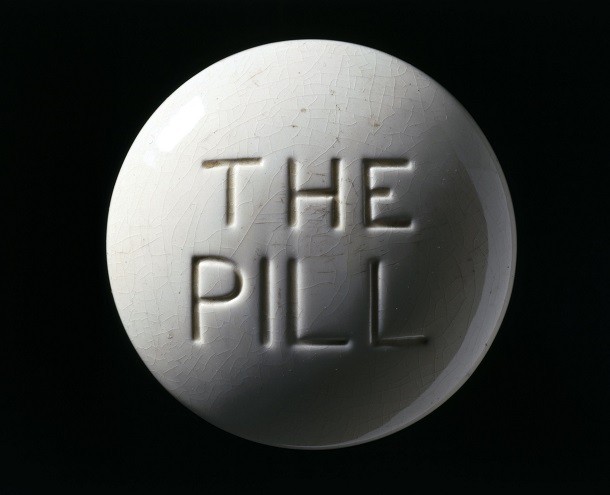
 Though pills and tablets have been one of the primary methods of medicinal transmission for thousands of years, the invention of “the pill” has been the most ground-breaking one. Approved for use as a contraceptive in 1960 and now taken by over 100 million women around the world, this combined oral contraceptive pill was a major impetus for the sexual revolution and changed the dialogue of reproductive power, largely shifting power from men to women.
Mobile Phone/Smartphone
 Source: Startup Guide, Image: Pixabay
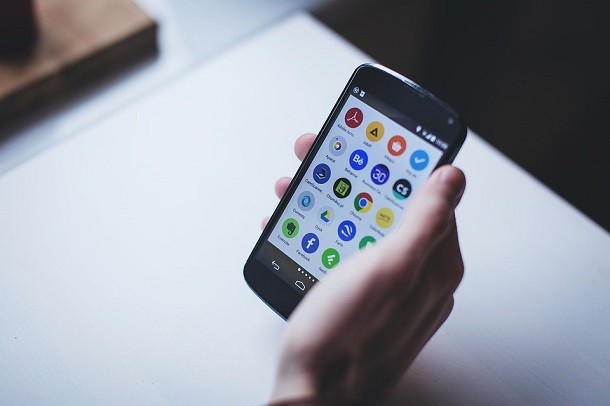
 The chances are high that you’re reading or watching this list on a smartphone right now. Though the iPhone was the first widely distributed smartphone when it came onto the market in 2007, we have Motorola to thank for its seemingly ancient predecessor. In 1973, the company released the first cordless, handheld mobile phone which weighed a whopping 4.4 pounds (2 kg) and took 10 hours to fully recharge. Even worse, you could only talk for 30 minutes.
Electricity
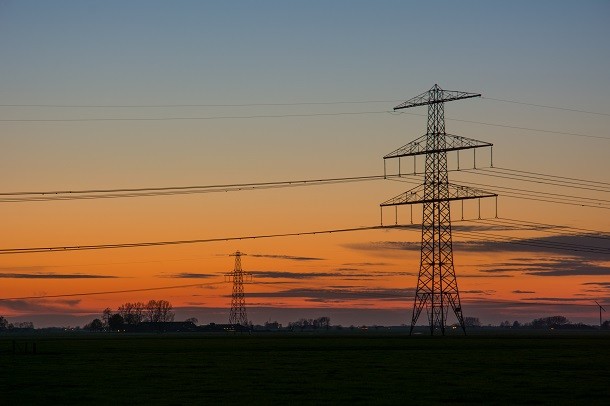 Source: Startup Guide, Image: Pexels
 Most of the modern inventions on this list would not have been remotely possible if not for the greatest one of all – electricity. While we may think the internet or airplane should top this list, both have electricity to thank. Early pioneers such as William Gilbert and Benjamin Franklin laid the initial groundwork which was built upon by greats such as Volta, Faraday, and Westinghouse to ignite the Second Industrial Revolution and begin illuminating and powering our world.