Take a look at this YouTube video: http://www.youtube.com/watch?v=ZgUrD3mKYUc
Recycle plastic, papers, clothes, etc.
 www.greenerpackage.com
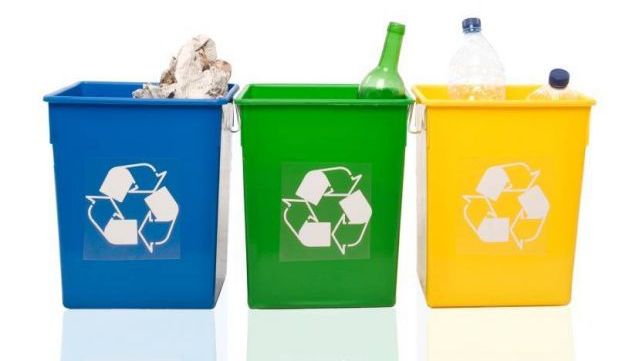
 Recycling is an indispensable part of environmental preservation. Among the items that can be recycled are papers, clothes, bulbs, electronics and plastic. It is best to have separate disposal bins for each of these items so waste segregation won’t be a problem. Before disposal, look for those that can be recycled. This saves such items from filling up landfills and emitting harmful chemicals during decomposition.
Donate your old items
 www.getvegucated.com
 Instead of trashing your old items, donate them. Aside from recycling, reusing is another good way to cut down energy expenditure that comes with recycling and production. Among the items you can donate are old furniture, shoes, electronics and clothes. That way, you don’t only get to protect the environment but also make an underprivileged individual’s life easier.
Conserve electricity at home
 www.hectorrodriguez.biz
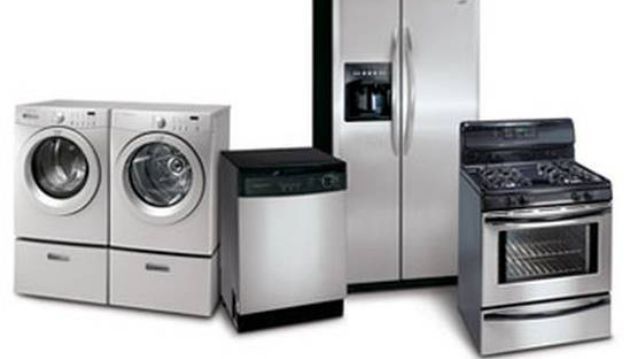
 Typically, electricity comes from non-renewable fossil fuels, which release green house gases like carbon dioxide into the earth’s atmosphere. When you conserve electricity at home by using energy-efficient appliances, you contribute to the reduction of global warming. You can do this by turning off your air conditioner when it is not too hot or when you unplug the charger of your laptop when its battery is still full.
Use water responsibly
 nurinamara.blogspot.com
 One of the best ways through which you can use water responsibly at home is by repairing your leaky faucets. After use, make sure that your faucets are closed enough not to leak. You can also run your laundry just when you have a full load so you won’t have to use much volume of water every day. In watering your lawn, use a sprinkler instead of a hose and don’t water your lawn when it rains.
Make organic compost for your garden
 extension.oregonstate.edu
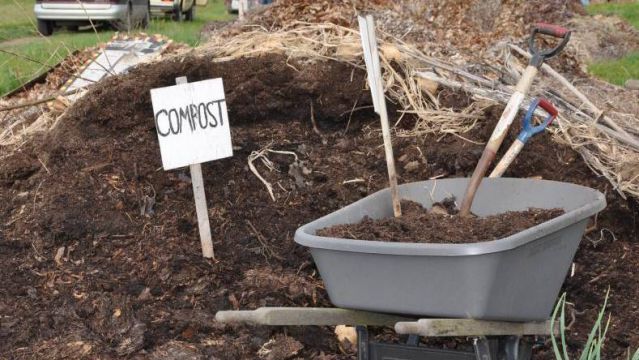
 Instead of buying inorganic compost for your garden, make your own. You can do this by using your kitchen waste such as fruit and vegetable peels; dry leaves, or flowers. By using organic compost, you not only avoid waste from clogging up landfills but you also convert them into effective fertilizers.
Choose locally produced items over imported ones
 workshopmanuals.biz
 This one may sound like it has nothing to do with being environmentally conscious, but it actually has a huge role in helping our environment. When you shop for locally produced items or materials such as food, flowers, clothes or shoes, you save a considerable amount of non-renewable fossil fuel energy required in transporting these goods from one country to another.
Use a cloth instead of a disposable diaper
 www.gogreenisland.com
 In the United States, every household that has a baby disposes between 5,000 to 8,000 diapers until the time the baby learns how to pee or poop by himself. This amount contributes to the approximately 3.5 million tons of waste materials that go into landfills every year. To cause a gentler impact on the planet, choose a cloth over a disposable diaper.
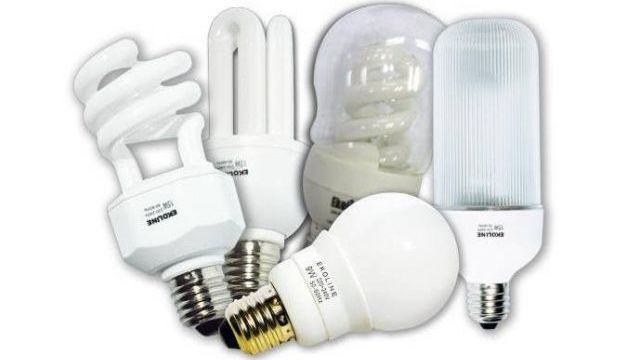
Shift from regular light bulbs to compact fluorescent lights
 www.acuerdos.cl
 Changing your light from a regular light bulb to a compact fluorescent lamp helps in reducing pollution. In a study, it was discovered that if each household in the United States replaces one regular light bulb with a compact fluorescent lamp, the amount of pollution reduction would be equal to the removal of one million cars from the road.
Recycle newspaper
 www.recyclingworksma.com
 If every citizen of the United States recycle their Sunday newspapers every week, that is equivalent to saving more than half a million trees per week. Papers are made from trees, and when they are recycled or reused, it is pretty much like saving more trees from being cut and converted to paper.
Use a reusable container when buying water
 babyology.com.au
 Instead of using plastic bottles when buying water, bring a reusable water container with you. Most plastic bottles today can never be recycled and take thousands of years to decompose. Using a reusable container is a great choice not just for the environment but even for your health.
Take a shorter bath
 en.vorweggehen.de
 If it normally takes you 15 minutes to take a shower, try reducing it to just 13 minutes. Every two minutes you save inside the shower helps conserve more than ten gallons of water in every bath. Over the course of the year, if everyone does that, the amount of water saved would be equal to the amount of freshwater from the Great Lakes.
Plant a tree
 www.gearculture.com
 This is one of the most common ways of preserving the environment. When you plant a tree, you not only shade your house and save on cooling costs but you also get to improve the value of your property. Every member of every family should plant at least a tree every year to clean the air.
Turn off lights when not in use
 www.diariodelweb.it
 When you leave a room, make sure that you always turn off your incandescent bulbs. The energy consumed by a fluorescent bulb is determined by the number of times it is switched on and off, so better turn them off when you leave a room for more than 15 minutes. By doing that, you are able to save energy on the bulb itself.
Maintain your vehicle
 www.usedcarloanswinnipeg.ca
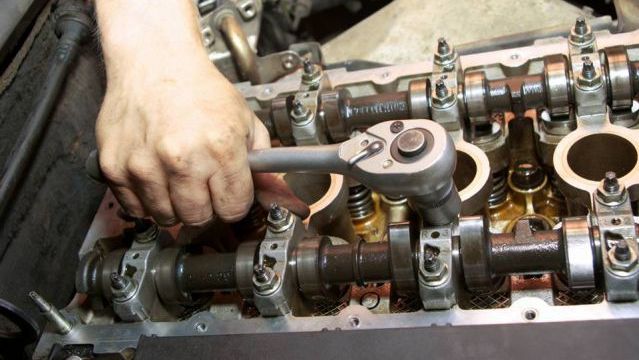
 There is more about properly maintaining your vehicle than just extending its life and improving its performance. When you maintain your vehicle, you create less pollution and save gas. This means reducing greenhouse gases that go into the earth’s atmosphere.
Choose paper bags over plastic bags
 hncsjd.en.busytrade.com
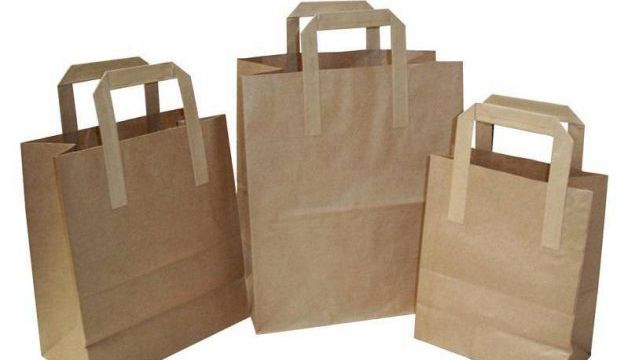
 500 billion plastic bags go into landfills every year. These materials are not biodegradable so they take thousands of years to decompose. When some of them make their way into the oceans, they enter the food chain and pose threats on our health and on the health of the natural ecosystem. On the other hand, paper bags are reusable, inexpensive, and take but a short while to decompose.
Use rechargeable batteries
 blog.batteryheads.com
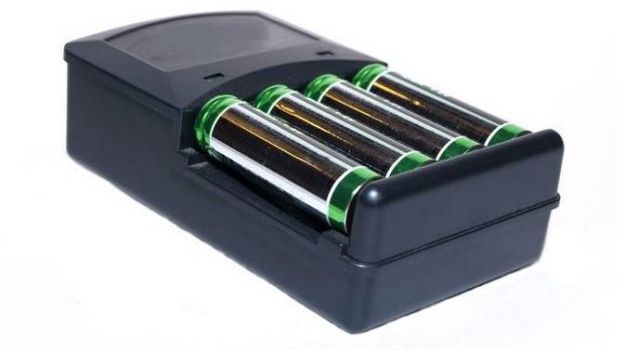
 Most of the 15 billion disposable alkaline batteries produced every year can never be recycled. Once they are used up, they go to landfills. Buying a charger and a few sets of rechargeable batteries helps reduce the amount of wasted battery material which releases harmful chemicals into our environment.
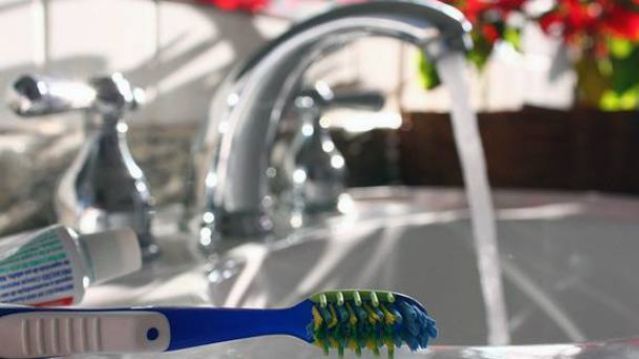
Do not leave the water from the faucet running while you brush your teeth
 earth911.com
 Some people are in the habit of keeping the water running while they brush their teeth. Refrain from doing this. Turn off the faucet while you brush your teeth and conserve water.
Eat less meat
 vgourmet.ca
 Not so many people know that it takes a lot of energy and water to produce meat for food. Most environmentalists today would advise people to be a vegetarian at least once a week and eat just small portions of meat for the rest of the week to save considerable amounts of water and energy.
Green up your life
 www.good.is
 Changing your lifestyle can help you contribute in protecting the environment. You can do this by switching to solar energy at home and growing as much of your own food in the garden as you can. You can also try making your own cleaning products at home.
Hang dry
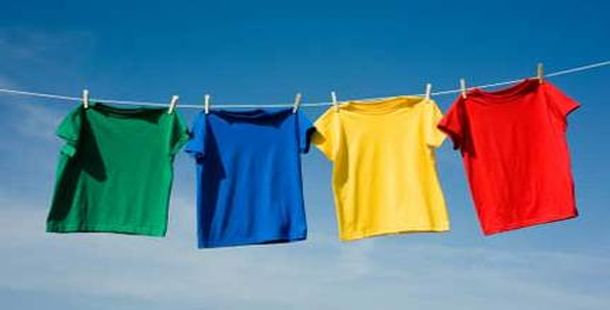
As we established earlier, electronic appliances use up a lot of energy. If its not too big of a hassle then a viable alternative may be to try hang drying, at least if you live in a relatively sunny environment.
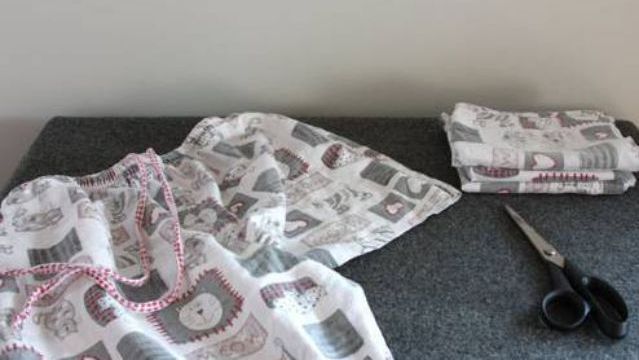
Cut up old clothes and use them as rags
 www.funinthemaking.net
 Instead of just throwing your old clothes, you can recycle them by cutting them up and converting them into rags. This recycling process can be done on old, stained or holey shirts; or any absorbent material that can be used to wipe out dirt or spills.
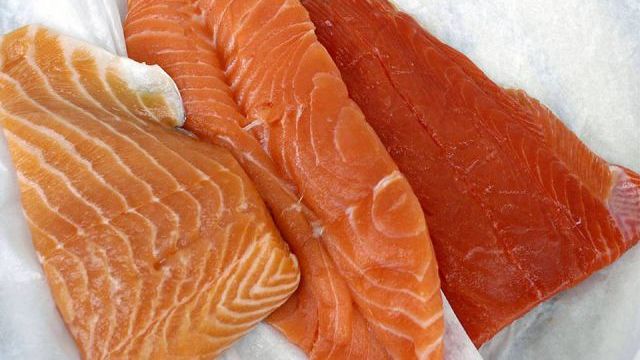
Be particular about the fish that you eat
 livehealthyosu.com
 Not so many people are aware that some fish can have negative impacts on our ocean ecosystems when they are captured and taken out from the waters. That is why you should be particular about the species of fish that you eat. If you eat fish for protein, there are textured vegetable proteins that you can buy as alternatives.
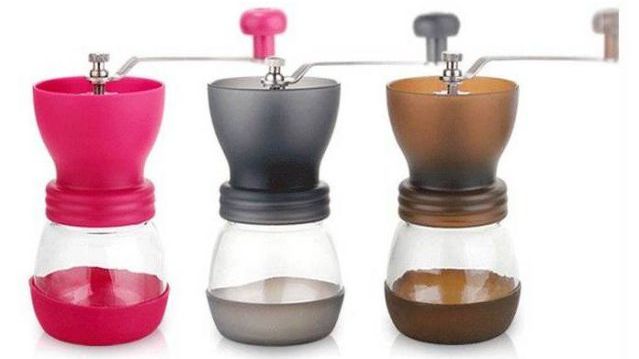
Replace some of your electric-powered appliances with hand-powered tools
 pt.aliexpress.com
 Cutting down on electricity can contribute a lot in saving energy. One of the many ways through which you can do so is by replacing your common electric-powered kitchen appliances with hand-powered tools. Among them are coffee grinders, juicers, stick blenders, can openers and electric knives.
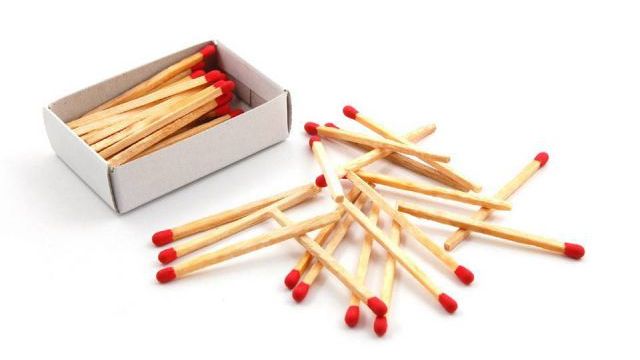
Use matches, not lighters
 www.inventchina.org
 Matches are more environment-friendly than lighters. Lighters are made out of plastic and are filled with butane fuel. Since they are disposable, around 1.5 billion of them make up the world’s landfills every year. Instead of choosing lighters, choose matches that are made out of cardboard. The paper used to make these matches is usually recycled.
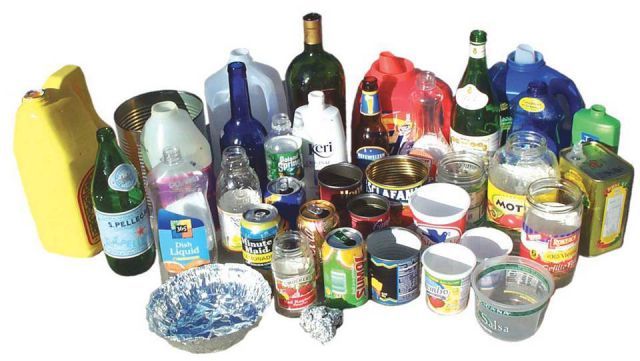
Use recycled aluminum and glass
 www.mesacc.edu
 Using recycled aluminum and glass can help you contribute to energy conservation. You can make twenty recycled aluminum cans out of the amount of energy that it takes to produce one brand new aluminum can. Also, every ton of glass that you recycle saves around nine gallons of fuel oil, which is equivalent to the amount needed to make one glass out of virgin materials.