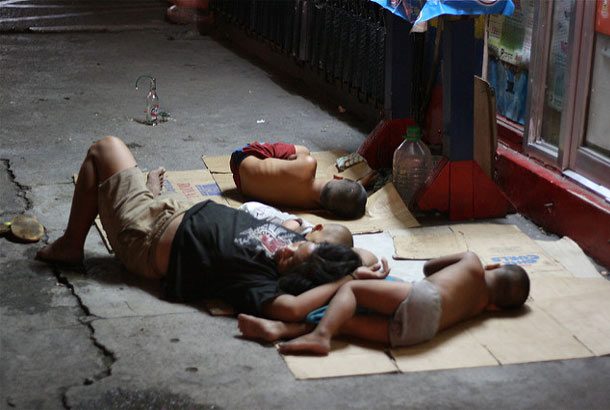
25 Cities With Extremely High Homeless Populations
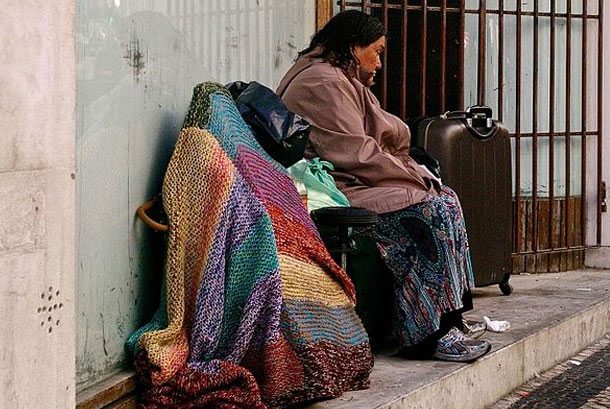
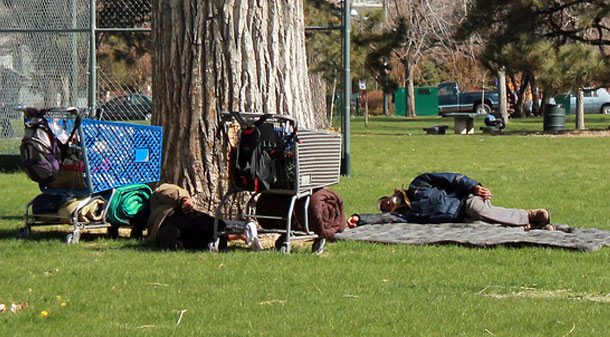
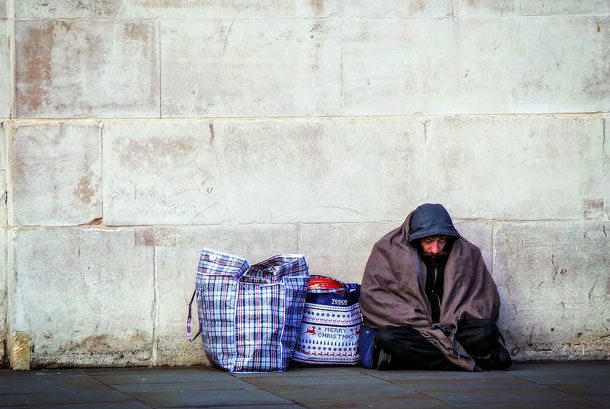
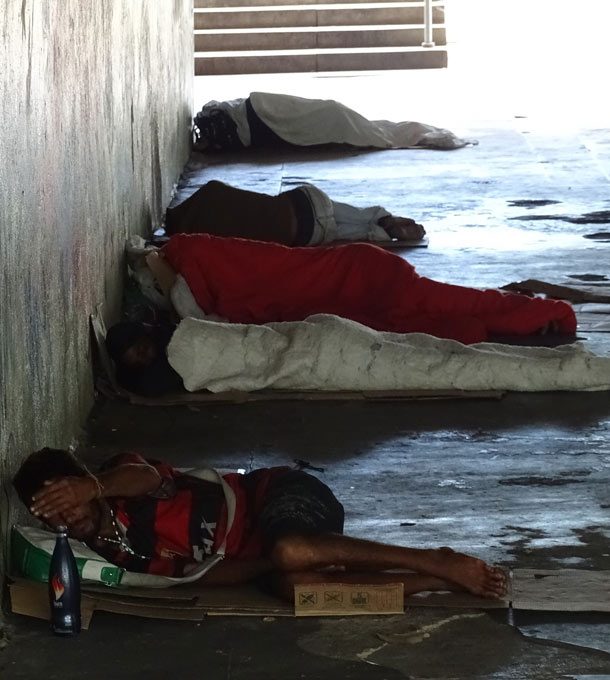
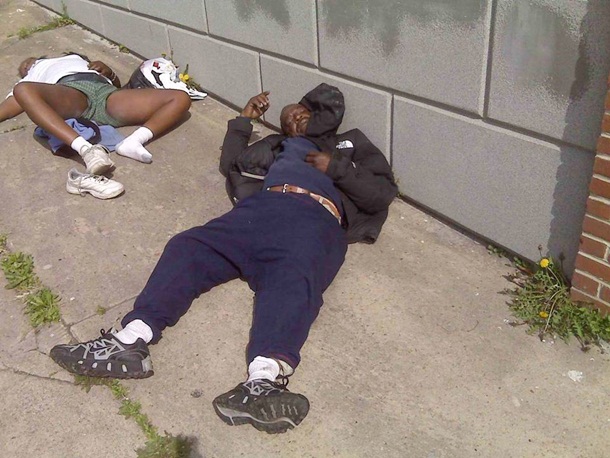
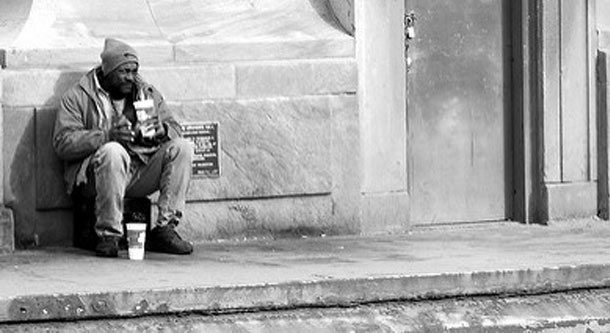
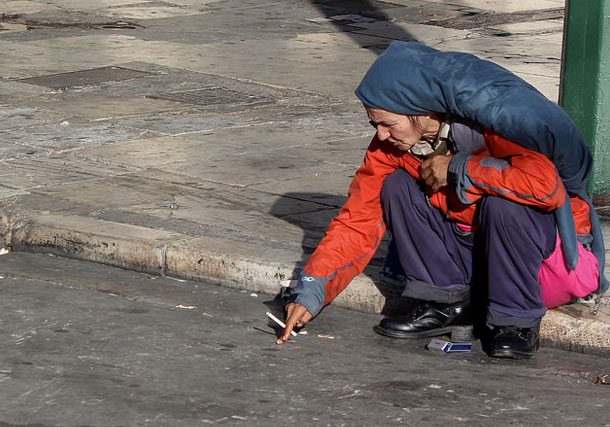
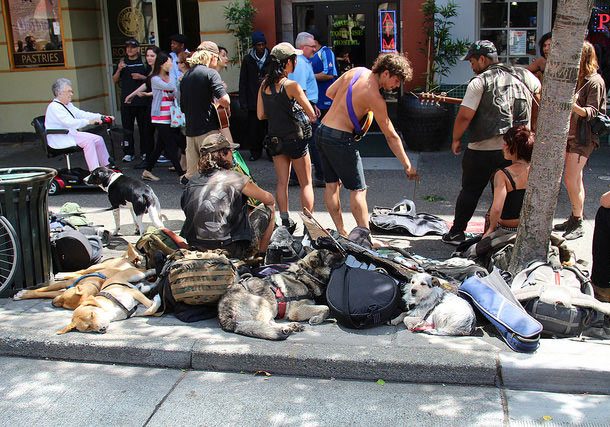
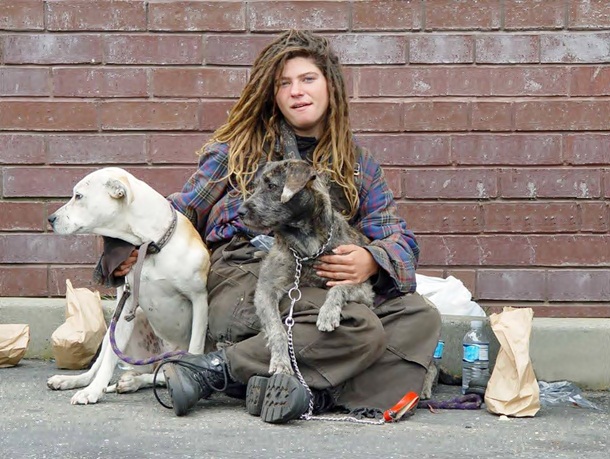
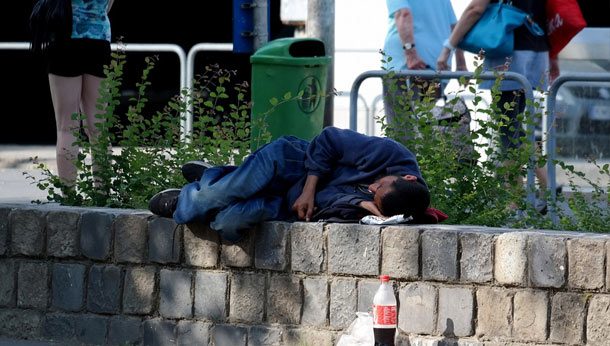
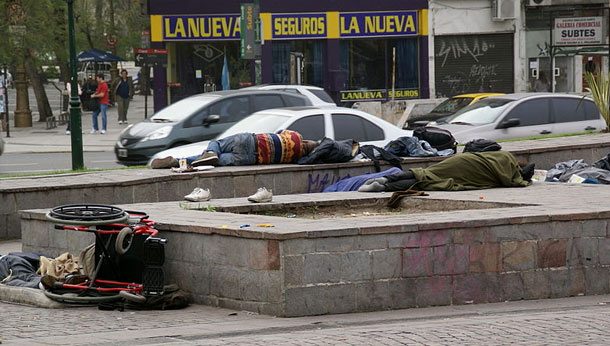
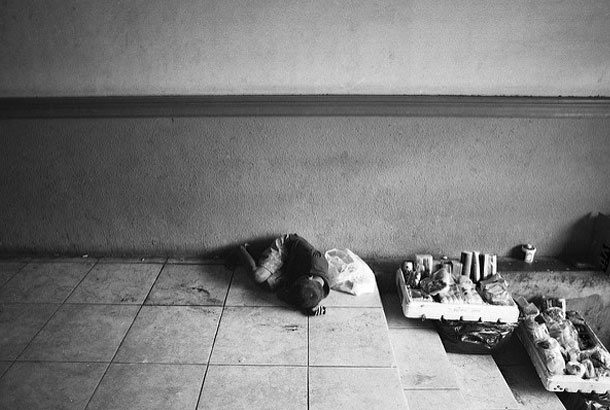
Homelessness is a global crisis that affects millions of people across every continent. From the tent cities of Los Angeles to the sprawling slums of Mumbai, the causes range from skyrocketing housing costs to mental illness, addiction, and systemic poverty. Here are 25 cities grappling with extremely high homeless populations.
25. Austin, Texas, USA
Austin’s booming tech economy has created a paradox: while the city attracts high-paying jobs, the resulting housing price surge has pushed many long-time residents onto the streets. The city’s homeless population has grown significantly in recent years, with encampments becoming visible along highways and under overpasses throughout the metro area.
In 2021, Austin voters approved Proposition B, which reinstated a ban on public camping. The city has since invested hundreds of millions of dollars in shelter capacity and permanent supportive housing, but the gap between available units and people in need remains substantial. Austin’s experience illustrates how rapid economic growth, without corresponding affordable housing development, can actually worsen homelessness.
24. Denver, Colorado, USA
Denver has seen its homeless population climb steadily, driven by a combination of rising housing costs, an influx of new residents, and harsh winters that make unsheltered living particularly dangerous. The city conducts annual point-in-time counts that consistently reveal thousands of individuals without permanent housing.
The city has experimented with innovative approaches, including tiny home villages and safe outdoor spaces with managed camping. Denver’s approach reflects a growing recognition that simply criminalizing homelessness does not solve the underlying problem. However, tensions between housed residents and homeless encampments continue to be a significant political issue.
23. Phoenix, Arizona, USA
Phoenix’s homeless population has surged in recent years, with a massive encampment known as “The Zone” near the city’s Human Services Campus becoming one of the largest in the country. The extreme desert heat makes Phoenix’s homeless crisis uniquely dangerous, with heat-related deaths among unsheltered individuals rising dramatically each summer.
The city has faced lawsuits from both homeless advocates and neighborhood residents, reflecting the difficulty of balancing compassion with community concerns. Phoenix has invested in new shelter beds and housing-first programs, but the pace of housing construction has not kept up with demand. Temperatures exceeding 110°F for weeks at a time make this one of the most physically perilous cities to be homeless in the world.
22. Houston, Texas, USA
Houston has been widely recognized as a national model for reducing homelessness. Between 2011 and 2022, the city reduced its homeless population by more than 60 percent through a coordinated housing-first approach that prioritizes getting people into permanent housing as quickly as possible, then providing support services.
The key to Houston’s success has been collaboration between government agencies, nonprofit organizations, and the private sector. The city’s approach bypasses the traditional shelter-first model in favor of rapid rehousing, which has proven more effective and often less expensive. While Houston still has thousands of people experiencing homelessness, its progress demonstrates that the problem can be significantly reduced with the right strategy and sustained investment.
21. Chicago, Illinois, USA
Chicago’s homeless population faces the additional challenge of brutally cold winters, with temperatures regularly dropping well below zero. The city operates an extensive network of warming centers and emergency shelters during winter months, but many people still end up sleeping in dangerous conditions on streets, in parks, and on public transit.
The city estimates tens of thousands of people experience homelessness over the course of a year, though the point-in-time count captures only a fraction of that number. Chicago has invested in supportive housing programs and tenant protections, but gentrification in formerly affordable neighborhoods continues to displace low-income residents. The city’s size and political complexity make a coordinated response challenging.
20. Toronto, Canada
Toronto’s homelessness crisis has intensified dramatically, driven by one of the most expensive housing markets in North America. The city’s shelter system regularly operates at or beyond capacity, forcing many people to sleep in parks, ravines, and makeshift encampments throughout the city.
Canada’s largest city has declared homelessness an emergency and committed billions of dollars to affordable housing construction. However, the pace of building has not matched the rate of population growth and housing price increases. Toronto’s crisis is particularly acute among refugees and recent immigrants who face additional barriers to accessing housing and services.
19. San Diego, California, USA
San Diego’s mild climate and coastal location have long attracted people experiencing homelessness, but the city’s crisis deepened significantly during the 2010s. A devastating hepatitis A outbreak in 2017 killed 20 people and sickened hundreds, drawing national attention to the health risks of large unsheltered populations.
In response, San Diego erected giant tents as temporary shelters and launched aggressive sanitation campaigns. The city has since pursued a combination of bridge shelters, permanent supportive housing, and safe parking lots for people living in vehicles. Despite these efforts, thousands remain on the streets, and the ongoing shortage of affordable housing continues to be the fundamental driver.
18. Vancouver, Canada
Vancouver’s Downtown Eastside neighborhood has been one of the most visible concentrations of homelessness, addiction, and poverty in North America for decades. The area’s open drug scene and high rates of overdose deaths have made it a focal point for debates about drug policy, mental health services, and housing.
The city has pursued harm reduction strategies, including supervised injection sites, alongside investments in social housing. However, Vancouver’s extraordinary housing costs — among the highest in the world — ensure a steady stream of people falling into homelessness. The opioid crisis has added another layer of complexity, as addiction and homelessness are deeply intertwined in the city.
17. Paris, France
The City of Light has a significant homeless population that has become increasingly visible along the Seine, under bridges, and in metro stations. France’s homeless population has more than doubled since 2012, with Paris bearing a disproportionate share due to its role as a magnet for economic migrants and refugees.
The French government has pursued a “housing first” strategy and operates emergency shelter programs, particularly during harsh winters. Paris has also experimented with converting unused public buildings into temporary shelters. However, the high cost of living in the capital, combined with a chronic shortage of social housing, means that many people remain trapped in a cycle of street living and temporary accommodation.
16. London, United Kingdom
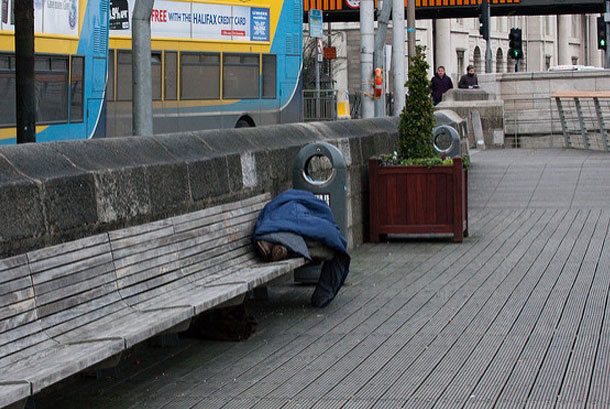
London has seen rough sleeping numbers rise dramatically since 2010, with austerity measures, welfare reforms, and soaring housing costs all contributing to the crisis. The number of people sleeping rough on any given night has more than doubled over the past decade, and many more are in temporary or inadequate accommodation.
The UK capital’s response has included outreach teams, night shelters, and the “Everyone In” program launched during COVID-19, which temporarily housed thousands of rough sleepers in hotels. While that program showed what was possible with political will and funding, many people returned to the streets once emergency measures were lifted. London’s housing market, where average rents consume a majority of median incomes, remains the root cause.
15. Sydney, Australia
Sydney’s homelessness crisis is often hidden behind the city’s gleaming harbor and beach lifestyle, but thousands of people sleep rough or in inadequate housing across the metropolitan area. The city’s astronomical property prices and rental costs have made it increasingly difficult for low-income residents to maintain stable housing.
Australia’s approach to homelessness has traditionally emphasized emergency shelters and transitional housing, though there is growing support for housing-first models. Indigenous Australians are dramatically overrepresented among the homeless population, reflecting broader patterns of disadvantage and discrimination. Sydney’s challenge is compounded by limited public housing stock and long waiting lists that can stretch for years.
14. Tokyo, Japan
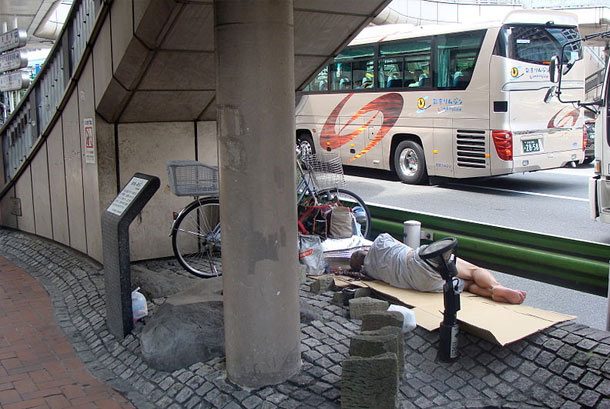
Japan’s approach to homelessness differs markedly from Western nations. Tokyo’s visible homeless population is relatively small compared to its massive size, with most people living in neat, unobtrusive shelters in parks and along riverbanks. Cultural factors, including a strong stigma around public assistance, mean many homeless individuals go to great lengths to remain inconspicuous.
The Japanese government has pursued a combination of welfare programs and employment support, and the country’s homeless numbers have declined significantly from their peak in the early 2000s. However, a growing phenomenon of “net cafe refugees” — people who live in 24-hour internet cafes because they cannot afford rent — suggests that official counts significantly underestimate the true scale of housing insecurity in Tokyo.
13. Bogotá, Colombia
Bogotá’s homeless population, known locally as “habitantes de calle,” numbers in the tens of thousands. Many live in a notorious area called “El Bronx” (now demolished) and its successor zones, where drug addiction, violence, and extreme poverty create desperate conditions.
Colombia’s internal conflict and displacement crisis have contributed significantly to urban homelessness, as millions of people have fled rural violence for cities over the past several decades. Bogotá has implemented social programs including shelters, drug treatment, and job training, but the scale of the problem overwhelms available resources. The city’s approach has oscillated between compassionate outreach and forced clearances of encampments.
12. Mexico City, Mexico
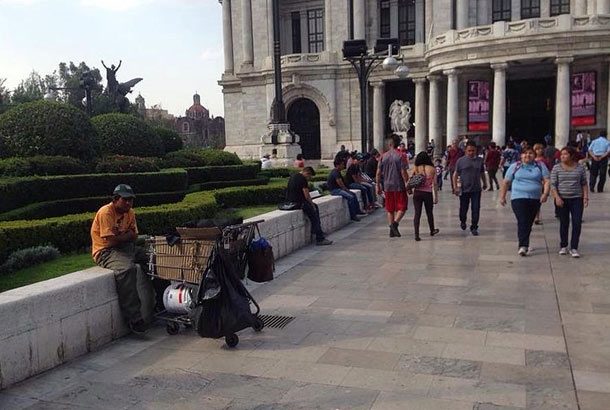
Mexico City is home to an estimated 40,000 to 60,000 people living on the streets, though exact numbers are difficult to determine. Many homeless individuals congregate in the historic center and around major transit hubs, surviving through informal work, begging, and recycling.
The city government has established shelters and outreach programs, but capacity falls far short of need. Substance abuse, particularly inhalant use among homeless youth, is a significant concern. Mexico City’s vast informal economy provides some survival opportunities for homeless individuals, but it also keeps them trapped in precarious, undocumented work that offers no path to stable housing.
11. Lagos, Nigeria
Lagos, Africa’s largest city, has an enormous population of homeless and inadequately housed people. Rapid urbanization has overwhelmed the city’s infrastructure, with millions living in informal settlements that lack basic services like clean water, sanitation, and electricity.
The line between “homeless” and “housed” in Lagos is often blurry, as many people live in structures that would be considered uninhabitable by international standards. The Nigerian government has conducted controversial forced evictions of waterfront communities, displacing hundreds of thousands without providing adequate alternatives. Lagos’s homeless crisis is inseparable from its broader challenges of poverty, inequality, and explosive population growth.
10. Delhi, India
Delhi’s homeless population is estimated at over 150,000, though advocacy groups suggest the true number could be significantly higher. Homeless individuals sleep on sidewalks, under flyovers, near railway stations, and in night shelters that are often overcrowded and poorly maintained.
The Supreme Court of India has issued multiple directives requiring the Delhi government to provide adequate shelter for all homeless residents, but implementation has been slow and inadequate. Winter nights in Delhi can be bitterly cold, and dozens of homeless people die of exposure each year. The city’s homeless population includes migrant workers, families, elderly individuals, and children, each group facing distinct challenges and needing specialized support.
9. Portland, Oregon, USA
Portland has one of the highest per-capita rates of homelessness in the United States. The city’s relatively mild climate, progressive social policies, and availability of services have long attracted people without housing, but the crisis escalated dramatically during the COVID-19 pandemic.
Tent encampments have spread throughout Portland’s neighborhoods, parks, and along highways, becoming a defining — and deeply divisive — feature of the city’s landscape. Portland has experimented with sanctioned camping sites, tiny home villages, and expanded shelter capacity, but political disagreements about the best approach have hampered a coordinated response. The city’s struggles reflect broader national debates about how to balance compassion with public safety and livability.
8. Johannesburg, South Africa
Johannesburg faces a homelessness crisis rooted in the legacy of apartheid, massive income inequality, and ongoing economic challenges. The inner city, once a thriving commercial center, has seen many buildings “hijacked” by criminal syndicates who rent out rooms in derelict structures to desperate tenants.
South Africa’s post-apartheid government has built millions of low-cost houses, but demand far exceeds supply, and many people remain in informal settlements or on the streets. Johannesburg’s homeless population includes South African citizens as well as migrants and refugees from other African countries, adding political complexity to an already challenging situation. Violence, substance abuse, and limited access to healthcare compound the difficulties faced by homeless individuals.
7. São Paulo, Brazil
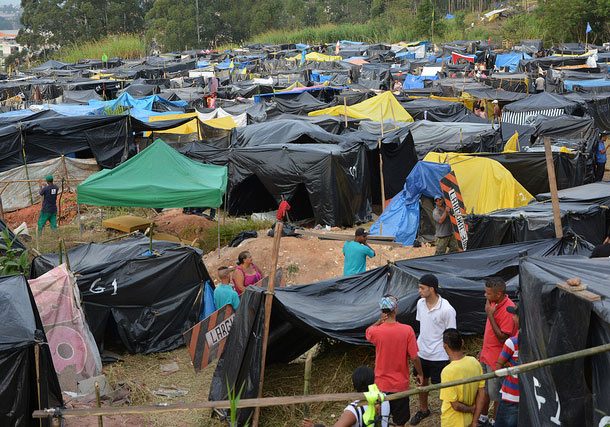
São Paulo, the largest city in the Southern Hemisphere, has a homeless population estimated at over 30,000 and growing. The contrast between gleaming skyscrapers and people sleeping under viaducts and in doorways is stark, reflecting Brazil’s extreme income inequality.
The city operates a network of shelters and social services, but many homeless individuals avoid them due to overcrowding, strict rules, and safety concerns. The crack cocaine epidemic, centered in an area known as “Cracolândia,” has been a major driver of homelessness and a source of ongoing political controversy. São Paulo’s homeless population has organized politically, with movements advocating for housing rights and against forced removals.
6. Seattle, Washington, USA
Seattle’s combination of a booming tech economy and limited housing supply has created one of the worst homelessness crises in the United States. The city’s King County region has one of the largest unsheltered homeless populations in the country, with thousands living in tents, vehicles, and makeshift structures.
Amazon, Microsoft, and other tech giants have contributed hundreds of millions of dollars to homelessness solutions, but critics argue that the same companies’ growth has driven up housing costs. Seattle has declared homelessness a state of emergency and pursued a range of strategies from tiny home villages to navigation centers, but the problem continues to grow. The debate over how to address homelessness has become the defining political issue in Seattle.
5. Manila, Philippines
Manila is one of the most densely populated cities on Earth, and homelessness is a visible part of daily life. Hundreds of thousands of people live on the streets, in cemeteries, under bridges, and along waterways in conditions of extreme deprivation.
The Philippines’ rapid urbanization and persistent poverty drive a constant flow of rural migrants to Manila in search of economic opportunities that often fail to materialize. Informal settlements, known as “squatter areas,” house millions in precarious structures vulnerable to typhoons, flooding, and fire. Government resettlement programs have relocated some families to areas far from employment centers, creating new problems of isolation and unemployment.
4. Mumbai, India
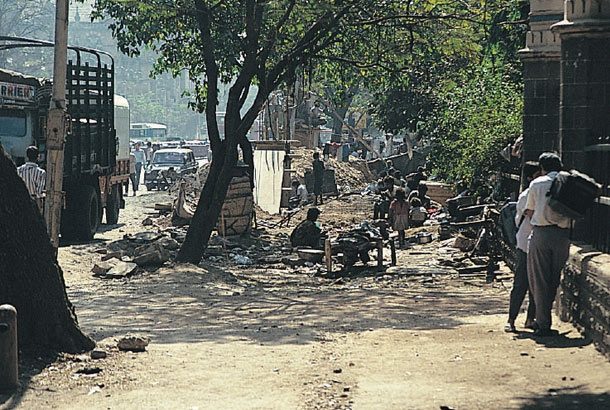
Mumbai is home to some of the most expensive real estate in Asia alongside some of the world’s largest slums. An estimated 200,000 people are completely homeless, sleeping on streets and in railway stations, while millions more live in informal settlements like Dharavi, one of the world’s most famous slums.
The city’s homeless population includes migrant workers from across India who come seeking employment in Mumbai’s vast economy. Despite earning wages, many cannot afford even the most basic rental housing in a city where space is at an extreme premium. Mumbai’s homeless face additional risks from monsoon flooding, which regularly inundates low-lying areas where many vulnerable people live.
3. San Francisco, California, USA
San Francisco’s homeless crisis has become a symbol of American inequality. Despite being one of the wealthiest cities in the world, San Francisco has thousands of people living on its streets, with the Tenderloin and South of Market neighborhoods being particularly affected.
The city spends over $600 million annually on homelessness services — more per homeless person than almost any other city in the world — yet the problem persists. The intersection of astronomical housing costs, severe mental illness, and widespread addiction creates a challenge that money alone cannot solve. San Francisco’s struggle has become a political flashpoint, with residents and businesses increasingly demanding more aggressive interventions.
2. New York City, USA
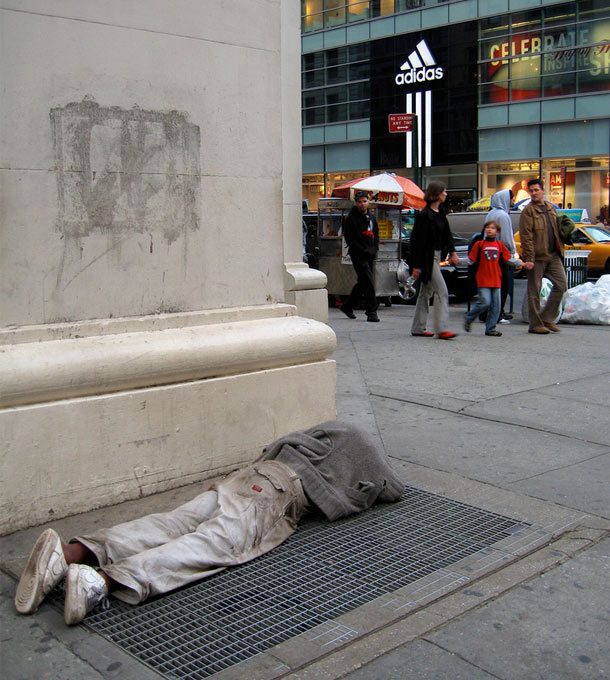
New York City has the largest homeless population of any city in the United States, with over 80,000 people sleeping in shelters on any given night. The city is unique in having a legal right to shelter, meaning the government is obligated to provide a bed to anyone who requests one, a policy that has strained resources enormously.
The crisis deepened significantly with the arrival of tens of thousands of asylum seekers beginning in 2022, which overwhelmed the already stretched shelter system. New York has converted hotels, office buildings, and even cruise ship terminals into emergency housing, spending billions in the process. Despite these massive investments, the fundamental driver — a housing market where median rents far exceed what low-income residents can afford — shows no signs of easing.
1. Los Angeles, California, USA
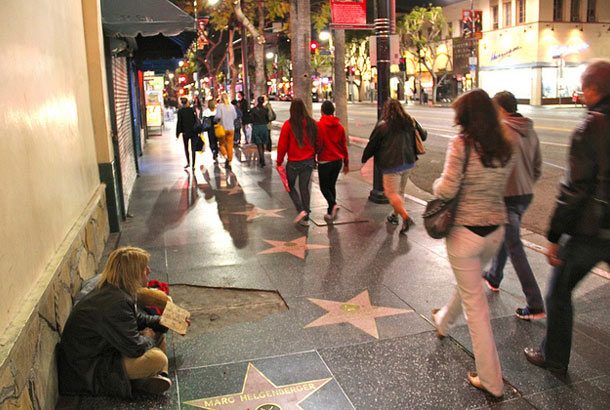
Los Angeles has the largest unsheltered homeless population in the United States, with tens of thousands of people living in tents, vehicles, and makeshift shelters across the sprawling metropolitan area. The crisis is visible on virtually every major street, from Hollywood to Venice Beach to Skid Row, the notorious 50-block area in downtown LA that has been a center of homelessness for over a century.
Despite voters approving billions of dollars in bonds and taxes for homeless housing and services, the construction of new units has been painfully slow, with some supportive housing projects costing over $700,000 per unit. The city’s challenges — a severe shortage of affordable housing, widespread mental illness, addiction, and a mild climate that makes outdoor living survivable year-round — create a perfect storm that defies easy solutions. Los Angeles’s homeless crisis stands as perhaps the most visible indictment of housing policy failures in the developed world.
Homelessness is not an unsolvable problem — cities like Houston have demonstrated that coordinated, evidence-based approaches can make a dramatic difference. But it requires political will, sustained investment, and a commitment to addressing root causes rather than just symptoms. Until more cities embrace these principles, millions of people worldwide will continue to live without the basic human need of a safe place to call home.