25 Strangest Medical Treatments In History
Medicine has come an extraordinarily long way in just a few centuries. The same profession that once drilled holes in living skulls to release evil spirits now performs microscopic robotic surgeries with sub-millimeter precision. What separates those eras isn’t just technology — it’s a fundamental shift in how humans understand the body, disease, and healing.
Looking back at historical medical practices is equal parts fascinating and horrifying. Physicians weren’t villains; most genuinely believed they were helping their patients. They worked with the knowledge available to them, shaped by religious beliefs, philosophical frameworks, and rudimentary observation. The result, however, was a long catalog of treatments that ranged from useless to outright deadly.
From ancient Egyptian crocodile dung contraceptives to Victorian-era radioactive energy drinks, here are 25 of the strangest medical treatments in history — ranked by era, explained in full, and guaranteed to make you deeply grateful for modern medicine.
—
The Ancient World: Superstition Meets Early Science
The earliest physicians blended observation with ritual. Without germ theory or anatomy texts, they relied on spiritual explanations for illness and drew on whatever natural materials surrounded them. The results were creative, to say the least.
1. Trepanation — Drilling Holes in the Skull
Trepanation is almost certainly the oldest surgical procedure ever performed on humans. Archaeological evidence shows it was practiced as far back as the Neolithic period — roughly 7,000 years ago — on every inhabited continent. Surgeons (or shamans) would bore a hole into a patient’s skull using sharpened stones, shells, or rudimentary drills.
The reasoning? Releasing evil spirits trapped inside the head, relieving pressure from head injuries, or curing conditions like epilepsy and severe headaches. Remarkably, healed bone around many trepanned skulls proves that a significant number of patients actually survived the procedure. Some skulls show evidence of multiple operations on the same individual.
The terrifying part: a crude form of trepanation is still occasionally performed today as emergency neurosurgery to relieve intracranial pressure — though with significantly better tools and anesthesia.
2. Crocodile Dung Contraception
Ancient Egyptian medicine was surprisingly sophisticated in many areas, but their approach to contraception left something to be desired. The Kahun Gynaecological Papyrus (circa 1825 BCE) describes a contraceptive pessary made from crocodile dung mixed with sour milk or honey, inserted vaginally before intercourse.
The logic likely rested on the crocodile’s associations with fertility in Egyptian mythology — perhaps its essence could repel conception. In practice, crocodile dung is mildly acidic, meaning it may have had some (very limited) spermicidal effect. It wasn’t entirely without basis. But the infection risk alone makes this one of history’s more dangerous family-planning strategies.
3. Dead Mouse Paste for Toothaches
Ancient Egyptians also believed that a paste made from mashed dead mice, mixed with other ingredients, could cure toothaches when applied directly to the gums. Some versions of the recipe called for the mouse to be combined with other substances like grain and fat.
Given that dental caries were a significant health problem in ancient Egypt (due to grit in their stone-ground bread wearing down teeth), this remedy saw a lot of use. Needless to say, rubbing rotting rodent onto an open wound in the mouth created more problems than it solved.
4. Sheep Liver Diagnosis (Hepatoscopy)
In ancient Babylon, diagnosing illness wasn’t a matter of examining the patient — it was a matter of examining a sheep. Priests and physicians practiced hepatoscopy, the careful inspection of a freshly slaughtered sheep’s liver, to determine the cause of a patient’s illness and predict their fate.
The liver was believed to be the seat of life and the source of blood. Clay models of sheep livers divided into sections have been found at Babylonian archaeological sites, presumably used as teaching aids. If the liver had spots, lesions, or unusual coloration, different diagnoses and prognoses followed. It was an elaborate system — just pointed entirely in the wrong direction.
5. Bloodletting — The Cure for Everything
Few medical practices have been as widespread, as long-lasting, or as genuinely harmful as bloodletting. Rooted in the humoral theory of Hippocrates and later expanded by Galen, bloodletting operated on the premise that the body contained four humors (blood, phlegm, yellow bile, black bile) that needed to remain in balance. When illness struck, an excess of blood was often blamed — and the logical fix was draining it.
Physicians used lancets, scarification tools, and leeches to remove blood in quantities that we now recognize as dangerously large. The practice remained mainstream for over 2,000 years, only falling from favor in the late 19th century. Its most famous victim? George Washington, who received multiple bloodletting sessions for a severe throat infection in 1799. Doctors removed an estimated 40% of his blood volume in less than 12 hours. He died the following day.
6. Urine Therapy
Drinking urine as medicine appeared in ancient Rome, India, Egypt, and China, making it one of history’s most universally practiced (if deeply unpleasant) treatments. The rationale varied by culture — some saw urine as a purifying substance, others as a concentrated essence of the body’s vital energy.
Roman texts recommend urine for treating skin conditions and whitening teeth. In Ayurvedic medicine, urine therapy (called amaroli) was prescribed for digestive complaints and infections. Ancient practitioners noted that urine was sterile when fresh (which is broadly true), though this didn’t make drinking it beneficial. Disturbingly, a small fringe wellness community still advocates for urine therapy today.
7. Leech Therapy
Leeches were the scalpel-free companion to manual bloodletting. Ancient physicians prized them for treating inflammation, skin conditions, and localized pain. The logic was identical to phlebotomy: remove excess blood, restore humoral balance, cure disease.
Here’s the fascinating twist: modern medicine has actually rehabilitated leeches. Today, they’re used legitimately after microsurgeries involving reattached fingers and reconstructed tissue. Their saliva contains hirudin, a powerful natural anticoagulant that prevents blood clots in fragile reattached vessels. So this one got a partial scientific redemption — even if centuries of overuse certainly didn’t.
—
Medieval and Renaissance Medicine: Alchemy, Mysticism, and Corpse Cures
The medieval and Renaissance periods blended genuine herbal knowledge with extraordinary superstition. Physicians were often alchemists and astrologers simultaneously. The treatments reflect that wild combination.
8. Mummy Powder (Mummia)
From roughly the 12th century through the 17th century, European physicians prescribed powdered Egyptian mummies as medicine. The treatment, called mummia, was believed to transfer the preserved vitality of the ancient dead to the living patient. It was ground from genuine mummified human remains and prescribed for everything from epilepsy to hemorrhage to bruising.
Demand became so high that European apothecaries imported Egyptian mummies by the barrel. When supplies ran short, unscrupulous merchants reportedly began “making” mummies from fresh corpses. It was consumed as powder, dissolved in wine, or mixed into ointments. King Francis I of France reportedly always carried a small pouch of mummia with him.
9. Theriac — The Wonder Drug with 70 Ingredients
Theriac was the ancient and medieval world’s universal antidote — a complex compound preparation with as many as 70 different ingredients. Its origins trace back to Mithridates VI of Pontus (1st century BCE), who was reportedly so paranoid about being poisoned that he developed an elaborate multi-ingredient antidote and took it daily.
The recipe included viper flesh (a key ingredient, believed to fight poison with poison), opium, dozens of herbal components, and various animal products. It was prescribed not just for poisoning but for plague, infections, and virtually every other ailment imaginable. Galen himself prepared theriac for Emperor Marcus Aurelius. Its production was a public ritual in some cities, performed by civic authorities to guarantee authenticity.
10. Bezoar Stones
A bezoar is a calcified concretion — essentially a stone — that forms in the stomachs or intestines of certain animals, particularly goats, deer, and Persian wild asses. Medieval physicians believed bezoar stones were universal antidotes to poison and could cure a remarkable range of illnesses.
By the Renaissance, bezoars had become extraordinarily expensive status symbols. Monarchs set them in gold and wore them as pendants, or dropped them into wine to neutralize suspected poison. Queen Elizabeth I reportedly owned several. Francis Bacon, the scientific philosopher, was among the first to experimentally test a bezoar on a condemned prisoner and find it worthless. He was correct — bezoars have no meaningful medical properties.
11. Mandrake Root — The Screaming Cure
The mandrake plant (Mandragora officinarum) has a bifurcated root that vaguely resembles a human body, and medieval herbalists and physicians built an elaborate mythology around it. It was used as a painkiller and sedative (with some genuine pharmacological basis — it contains scopolamine and other alkaloids), but the folklore that surrounded it was extraordinary.
Medieval texts claimed that mandrake roots screamed when pulled from the earth, and that hearing the scream would kill you instantly. The recommended harvesting technique involved tying the root to a dog with a rope and having the dog pull it out. You’d cover your ears, and the dog would die instead. Whether practitioners actually did this is debated — but the texts are unambiguous about the instructions.
12. Powder of Sympathy
The Powder of Sympathy may be the most philosophically strange treatment on this list. Developed in the early 17th century by Sir Kenelm Digby, it operated on the “law of sympathy” — the idea that objects that were once connected retained a mystical link.
The treatment: if you had a wound caused by a sword, you applied the powder not to your wound, but to the weapon that caused it. Digby claimed this would heal the wound at a distance. It sounds absurd, but there was an accidental benefit: wounds left untreated with the various caustic “remedies” of the day (burning oils, hot irons) actually had a better survival rate than those that received conventional treatment, because they weren’t being actively damaged.
13. Corpse Medicine and King’s Drops
Renaissance Europe had a remarkable appetite for human-derived medicines. Physicians prescribed remedies made from human skull powder, blood, fat, and other body parts. “King’s Drops” — a fashionable remedy of the 17th century — contained dissolved human skull and was prescribed for epilepsy and stroke.
Drinking fresh blood from executed criminals was recommended for epilepsy in several European countries. Human fat was rendered into ointment for joint pain and skin conditions. This wasn’t fringe quackery — it appeared in mainstream pharmacopeias and was prescribed by respected physicians. The practice only declined as anatomy advanced and more effective (and less macabre) treatments emerged.
—
The Age of Chemistry: When Toxic Was Therapeutic
The 18th and 19th centuries brought chemistry into medicine, but the new tools were often more dangerous than the conditions they were meant to treat. Physicians discovered powerful chemical compounds and prescribed them enthusiastically — before fully understanding their toxicity.
14. Mercury for Syphilis
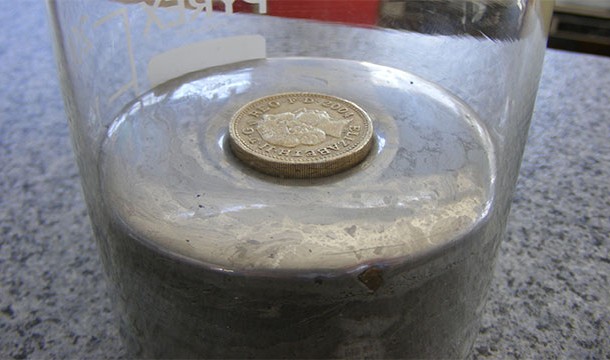
When syphilis swept through Europe in the late 15th century, physicians reached for mercury — a substance they believed could purge the body’s corrupt humors through sweating, salivation, and urination. Mercury treatments were administered as ointments, pills, fumigation (sitting in a mercury vapor bath), or injections.
The side effects were catastrophic: tooth loss, neurological damage, kidney failure, and death. The 16th-century saying “a night with Venus, a lifetime with Mercury” captured the grim trade-off. Yet mercury remained the primary syphilis treatment from roughly 1500 until the development of arsphenamine (Salvarsan) in 1910, and even then, it persisted in some regions for decades longer.
15. Arsenic as a Tonic
Arsenic, one of history’s most infamous poisons, was widely prescribed as medicine from the late 18th century through the early 20th century. Fowler’s Solution, developed in 1786 by Thomas Fowler, was a potassium arsenite liquid prescribed for everything from malaria to skin conditions to periodic fevers.
It was genuinely effective against some conditions — arsenic does kill certain parasites and cancer cells, which is why arsenic trioxide is still used today to treat a specific type of leukemia. But Fowler’s Solution was prescribed so broadly and in such quantities that arsenic poisoning became a routine occupational hazard for patients following doctor’s orders. Chronic arsenic exposure causes nerve damage, skin lesions, and multiple organ cancers.
16. Heroin as a Cough Suppressant
In 1898, the German pharmaceutical company Bayer — the same company that gave the world aspirin — launched heroin as a commercial product. It was marketed as a “non-addictive” substitute for morphine and promoted as a cough suppressant and treatment for respiratory ailments including tuberculosis and bronchitis.
The name “Heroin” came from the German word heroisch (heroic), reflecting how effective it seemed at suppressing symptoms. Bayer sent free samples to physicians across the world. It was even marketed as a children’s cough syrup. The addictive properties were not unknown — they were simply downplayed. By 1913, Bayer had quietly discontinued heroin production as the consequences became impossible to ignore.
17. Cocaine for Hay Fever and Toothaches
Cocaine entered mainstream medicine in the 1880s with genuine enthusiasm from the medical establishment — including Sigmund Freud, who prescribed it for depression and morphine addiction (creating, in some cases, cocaine addictions in the process). As a topical anesthetic, cocaine had real clinical value. The problems arose from its broader applications.
Cocaine was sold in patent medicines, nose sprays for hay fever, throat lozenges, and toothache drops — including products specifically marketed to children. The Hay Fever Association allegedly endorsed cocaine snuff in the 1880s. It wasn’t until the early 20th century that regulatory frameworks (including the Harrison Narcotics Tax Act of 1914 in the United States) began restricting cocaine’s use in patent medicines.
18. Radium Water — Drinking Radioactivity for Health
By the early 20th century, radioactivity was newly discovered and poorly understood. The public associated it with mysterious energy and vitality. Entrepreneurs capitalized enthusiastically. Radithor, a commercial product sold from 1918 to 1932, was essentially triple-distilled water containing dissolved radium and mesothorium — and people drank it willingly, even eagerly.
Radithor was marketed as a cure for over 150 conditions, including depression, sexual dysfunction, and digestive disorders. Its most famous victim was socialite and industrialist Eben Byers, who consumed approximately 1,400 bottles over several years. His jaw literally dissolved. He died in 1932, and a Wall Street Journal headline grimly reported: “The Radium Water Worked Fine Until His Jaw Fell Off.”
—
Victorian and Early 20th Century Quackery
19. Milk Transfusions
When hemorrhaging patients needed blood transfusions and blood typing didn’t exist, 19th-century physicians experimented desperately. One proposal that gained serious traction: injecting milk — human, cow, or goat — directly into patients’ veins.
The theory, published in respected medical journals in the 1870s, was that milk’s white corpuscles would transform into healthy red blood cells inside the body. Results were predictably catastrophic. Patients experienced severe chills, vomiting, high fevers, and frequently died from anaphylactic shock or overwhelming infection. The practice was abandoned within a decade, supplanted eventually by blood transfusion science built on Karl Landsteiner’s discovery of blood types in 1901.
20. Cigarettes for Asthma
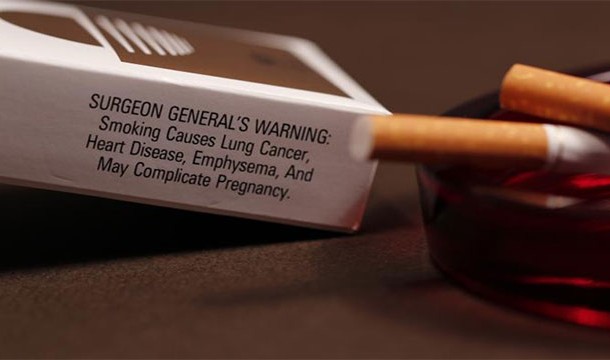
Asthma cigarettes were a genuine commercial product sold in the late 19th and early 20th centuries. Brands like Dr. Batty’s Asthma Cigarettes and Cigares de Joy were prescribed and purchased as legitimate respiratory treatments. The cigarettes typically contained stramonium (a plant in the nightshade family with genuine bronchodilating properties), along with potassium nitrate and various herbs.
There was actual science buried in here: stramonium contains atropine-like compounds that do open airways. But the delivery mechanism — smoke inhalation — caused more airway damage than the active ingredients could counteract. The products were marketed as safe for children as young as six years old.
21. Vibrators for “Female Hysteria”
“Female hysteria” was a catch-all Victorian diagnosis applied to a vast range of symptoms including anxiety, irritability, fainting, and emotional distress. The prescribed treatment was “pelvic massage” administered by a physician — a procedure that produced what doctors clinically termed a “hysterical paroxysm” (orgasm).
The procedure was time-consuming and physically taxing for physicians, which contributed to the invention of early electromechanical vibrators in the late 19th century. These were initially marketed as medical devices for physician offices, and later as home appliances for “relaxation.” The diagnosis of female hysteria was eventually removed from medical classification, but not before generating one of history’s stranger footnotes in medical device history.
22. The Tapeworm Diet
The late 19th century’s fixation on slimness produced some genuinely dangerous solutions. The “tapeworm diet” involved intentionally swallowing tapeworm eggs (or allegedly whole tapeworm segments) to let the parasite consume calories on the host’s behalf. Advertisements from the early 1900s promoted “sanitized tapeworms” as a weight-loss solution.
Whether these advertisements represented real tapeworms or were selling something else entirely remains debated. But tapeworm infection — when genuine — causes far worse than weight loss: cysts in the brain, liver, and eyes, neurological damage, and potentially fatal systemic infection. The “diet” represented the era’s willingness to risk death in the pursuit of a fashionable physique.
23. Monkey Gland Transplants (Xenotransplantation)
French-Russian surgeon Serge Voronoff became famous in the 1920s for transplanting thin slices of chimpanzee and baboon testicular tissue into aging human men, claiming it would restore youthful vitality, improve cognition, and extend lifespan. The procedure was wildly popular — by 1923, he had performed over 500 such operations.
Voronoff genuinely believed in his work and had some background in valid tissue transplantation research. What he didn’t understand was immune rejection — without immunosuppressant drugs, transplanted animal tissue is rejected within weeks. His patients experienced no lasting benefit, though several died from infection. The procedure was abandoned by the 1930s as evidence mounted against it.
24. Lobotomy — Surgery for the Mind
Few medical interventions represent a more catastrophic collision of good intentions and terrible execution than the lobotomy. Developed by Portuguese neurologist António Egas Moniz in 1935 and refined by American physician Walter Freeman, the procedure severed the connections between the prefrontal cortex and the rest of the brain to treat severe mental illness.
Freeman’s notorious “ice pick” transorbital lobotomy — performed by inserting an instrument through the eye socket and moving it to sever brain tissue — could be completed in minutes in a doctor’s office. He performed the procedure in mobile settings, driving a converted van he called the “lobotomobile.” An estimated 40,000 to 50,000 lobotomies were performed in the United States alone. Moniz received the Nobel Prize in Physiology or Medicine in 1949. Results ranged from personality changes to permanent disability to death. The procedure was effectively abandoned with the development of psychiatric medications in the 1950s.
25. Malaria Therapy for Neurosyphilis
The final entry on this list is uniquely strange because it actually worked — to a degree. In the 1910s, Austrian psychiatrist Julius Wagner-Jauregg observed that patients with severe mental illness sometimes improved after surviving high fevers from infectious diseases. He developed a treatment called pyrotherapy (fever therapy) and eventually settled on deliberately infecting neurosyphilis patients with malaria.
The logic: the high fevers produced by malaria killed the Treponema pallidum bacteria responsible for neurosyphilis, which had no effective treatment at the time. It worked often enough to be considered a genuine medical advance. Wagner-Jauregg won the Nobel Prize in Physiology or Medicine in 1927 for the discovery — making this the only Nobel-winning treatment on this list. It was abandoned after penicillin became available in the 1940s, offering a far safer cure.
—
Why These Treatments Existed — and Why They Disappeared
Understanding these strange practices requires genuine historical empathy. Most practitioners using them believed entirely in their efficacy — not because they were foolish, but because they lacked the frameworks we now take for granted.
The germ theory of disease, established by Louis Pasteur and Robert Koch in the 1860s–1880s, fundamentally restructured medicine. Before germ theory, physicians worked within humoral, miasmic, or supernatural explanations for illness. Their treatments made logical sense within those frameworks — they were simply frameworks built on false foundations.
The other critical development was the clinical trial. Controlled experiments that compare treated patients to untreated controls seem obvious now, but they’re a relatively recent invention. For most of medical history, physicians relied on anecdote: a patient recovered after a treatment, therefore the treatment worked. They had no systematic way to account for spontaneous recovery, the placebo effect, or survivorship bias (we remember the patients who got better, not the ones who died).
The dangerous treatments — mercury, arsenic, radium, heroin — persisted partly because they did something visible. Mercury caused sweating and salivation. Arsenic caused purging. Patients and doctors interpreted these dramatic effects as the medicine working. The actual damage accumulated invisibly, over time.
The ethically troubling dimension of historical medicine is the near-total absence of patient rights. Patients rarely consented in any meaningful sense, and vulnerable populations — the mentally ill, prisoners, enslaved people, the poor — bore the brunt of experimental treatments.
—
Frequently Asked Questions
Were any of these strange treatments ever actually effective?
Several had partial effectiveness buried within their strange packaging. Leech therapy genuinely helps post-surgical blood flow. Trepanation can relieve intracranial pressure. Malaria therapy did reduce neurosyphilis mortality. Mandrake and stramonium contain real pharmacologically active compounds. The problem was usually the application, the dosage, or the delivery method — not the complete absence of any biological basis.
Why did bloodletting persist for over 2,000 years if it was harmful?
The placebo effect, survivorship bias, and the lack of controlled trials meant that physicians genuinely believed it worked. Many serious illnesses resolve on their own, and if a patient recovered after being bled, the treatment got the credit. Also, humoral theory was an internally consistent intellectual framework — abandoning it required not just new evidence but an entirely new way of thinking about the body.
Is heroin really still used in medicine today?
Yes — pharmaceutical heroin (diamorphine) is used in palliative care and severe pain management in the United Kingdom and several other countries. It’s also used in certain harm-reduction programs for people with heroin dependence. The difference from Bayer’s 1898 product isn’t the drug itself — it’s the strict dosing, medical oversight, and informed consent.
What eventually replaced lobotomy for treating severe mental illness?
The development of chlorpromazine (Thorazine) in 1952 — the first effective antipsychotic medication — provided an alternative that didn’t require brain surgery. Subsequent pharmaceutical advances throughout the 1950s and 1960s largely eliminated the clinical justification for lobotomy, though the procedure wasn’t formally prohibited; it simply fell out of use as better options became available.
Were patients ever aware that their treatments were experimental or dangerous?
In most historical contexts, the concept of informed consent didn’t exist. Patients trusted physicians with the same deference they might extend to religious authorities. The ethics of medical experimentation only became a formal concern after the Nuremberg Code (1947), developed in the wake of Nazi medical atrocities, established the principle that human subjects must voluntarily consent to medical experiments.
How do we know some of these ancient treatments were real and not myth?
Archaeological evidence provides direct proof for many ancient practices — trepanned skulls have been found worldwide, ancient medical papyri describe specific recipes, and clay liver models confirm hepatoscopic practice. For practices like the tapeworm diet, the evidence comes from surviving advertisements, newspaper accounts, and contemporary medical criticism. Scholars do debate the literal practice of some treatments (like the mandrake dog story), distinguishing between documented use and literary embellishment.
—
The Long Road to Evidence-Based Medicine
The 25 strangest medical treatments in history share a common thread: they were practiced by people who were genuinely trying to heal, operating within belief systems that seemed entirely reasonable to them.
The leap from theriac and mummy powder to antibiotics and organ transplants wasn’t just technological — it was epistemological. Humans developed better tools for knowing what we know and how confidently we know it. The clinical trial, the double-blind study, the systematic review — these are the actual innovations that transformed medicine from guesswork into science.
That should inspire both humility and appreciation. Humility, because our current medical certainties will likely look flawed to physicians two centuries from now. And appreciation, because the distance between “drill a hole in your skull to release evil spirits” and “here’s a targeted immunotherapy for your cancer” is one of the greatest intellectual journeys in human history — and we’re still on it.