Check out this intriguing YouTube video at this link: https://www.youtube.com/watch?v=VJI_Ckj4x74
The Baby Disposal
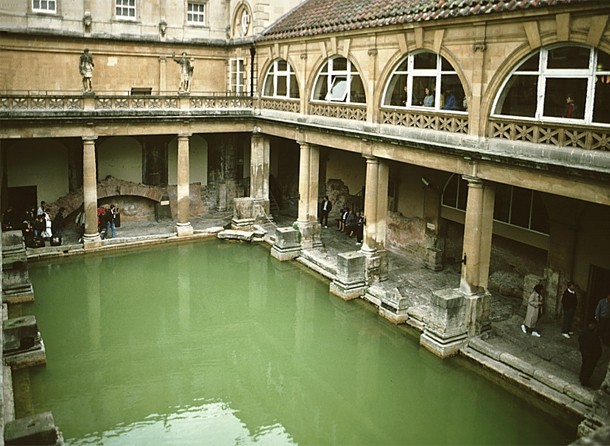
One thing you will realize by the end of this list is that people, at least in the past, were very fond of cannibalism, sacrifice, and torture. As a case in point, not long ago as several archaeologists were searching through the sewers beneath a Roman/Byzantine bathhouse in Israel when they came across something terrifying…baby bones, and lots of them. For whatever reason someone in the bathhouse above apparently felt compelled to dispose of hundreds of babies in the sewer below.
The Venetian Vampire
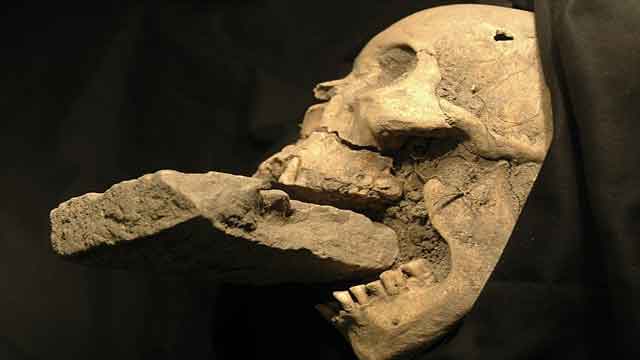
Although these days the most surefire method used to slay vampire is a stake through the heart, hundreds of years ago that was not considered sufficient. Allow us to introduce you to the ancient alternative – the brick through the mouth. Think about it. What’s the easiest way to keep a vampire from sucking blood? Cram his face full of cement no doubt. The skull you are looking at here was found by archaeologists just outside Venice in a mass grave.
Aztecs Sacrifices
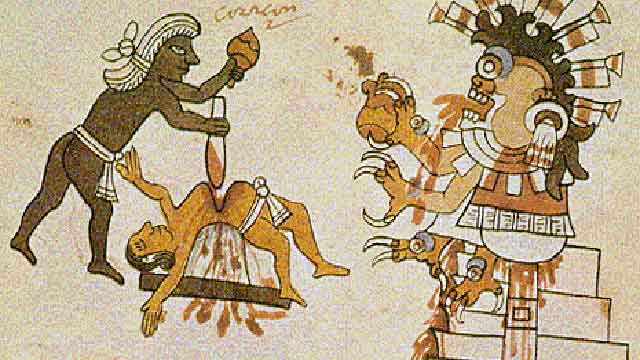
Although it has been known for years that the Aztecs hosted numerous bloody sacrificial festivals, in 2004 a grisly discovery was made outside of modern day Mexico City. Numerous decapitated and mutilated bodies of both humans and animals shed some light on just how horrific the rituals could get.
Terra Cotta Army
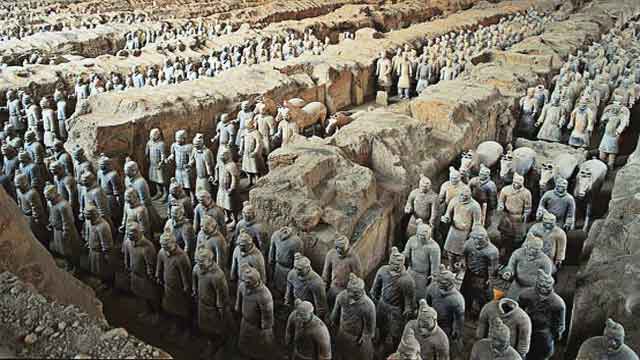
While it may not be intense in the same way as the last few discoveries, this vast terracotta army that was buried with Qin Shi Huang, the first Emperor of China, is certainly intense in its own right. Apparently the intention was for the soldiers to protect the emperor in the afterlife.
The Screaming Mummies
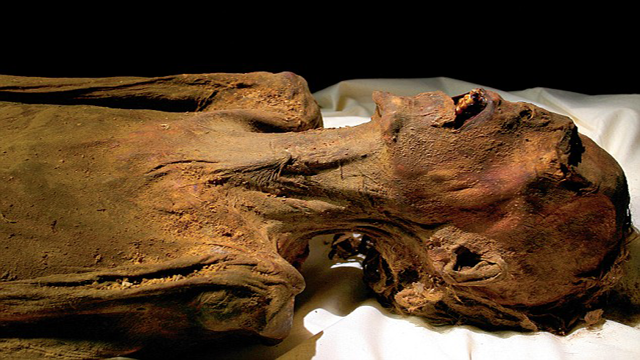
Unlike modern burials, Egyptians didn’t take into account the fact that if you don’t strap the chin to the skull, it will fall open in a permanent scream. Although most mummies exhibit this sort of profile, it can get significantly more terrifying. Every once in a while archaeologists discover mummies that seem to have truly been screaming at their death due to some sort of ritual torture. The one above is name Unknown Man E and was found by Gaston Masparo in 1886.
The First Leper
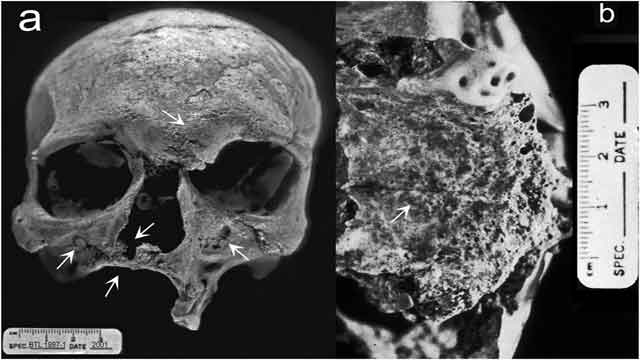
Also known as Hansen’s disease, leprosy is not contagious but its victims have often lived on the fringes of society due to extreme disfigurement. Because Hindu tradition calls for cremation the skeleton above, often cited as the first leper, was found buried just outside the city limits.
Ancient Chemical Warfare
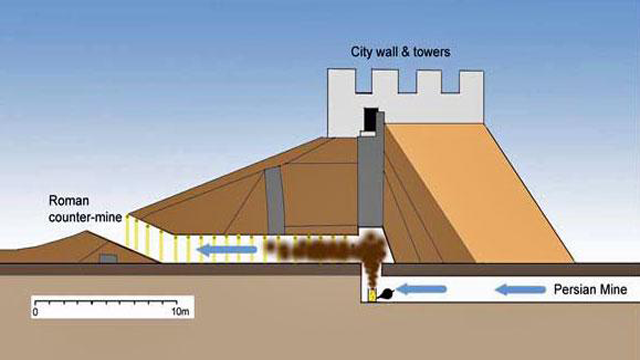
In 1933 archaeologist Robert du Mesnil du Buisson was searching beneath the ruins of an ancient Roman/Persian battlefield when he came across some siege tunnels that had been dug under the city. In the tunnels he found the bodies of 19 Roman soldiers that seemingly died while trying to desperately escape from something and one Persian soldier clutching his chest. Apparently when the Romans heard the Persians digging under their walls they began digging a tunnel of their own with the idea of dropping in on the Persians from above. The trouble for them was that the Persians heard it and set a trap. As soon as the Roman soldiers dropped through they were met with burning sulfur and bitumen which has the unfortunate effect of turning to acid in your lungs.
Rosetta Stone
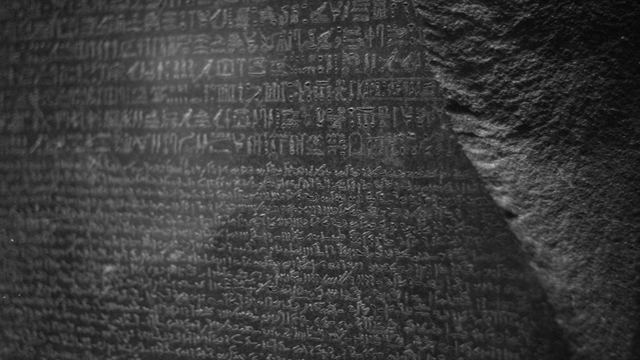
Discovered in 1799 by a French soldier sifting through the Egyptian sand, the Rosetta Stone has been one of archaeology’s greatest discoveries to date and the primary source for modern understanding of Egyptian hieroglyphs. The stone is a actually a fragment of a larger stone that contained a decree issued by King Ptolemy V around 200 BC with the decree inscribed in 3 languages – Egyptian hieroglyphs, Demotic script, and Ancient Greek.
Diquis Spheres
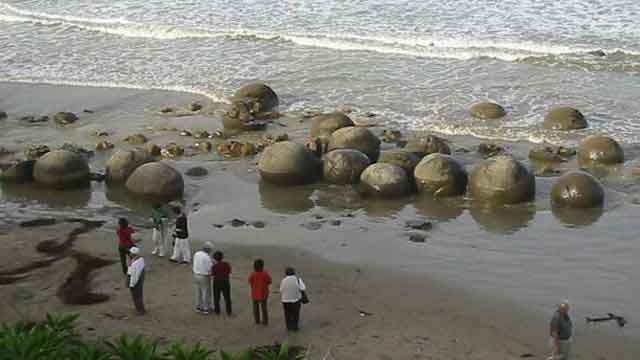
Known as the stone spheres of Costa Rica, scientists believe these nearly perfect speres were carved around the turn of the millennium. Although there is much speculation as to what they may have been used for, no one is completely sure.
The Grauballe Man
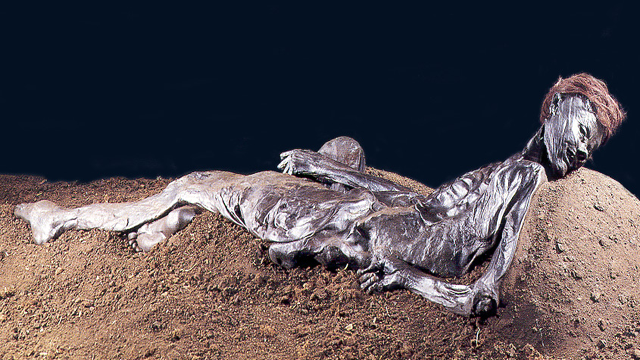
It’s not a strange occurrence for mummified bodies to be found in bogs but this body, now known as the Grauballe Man, is a bit unique. Not only is he amazingly well preserved with his hair and fingernails still intact, it is possible to reconstruct his demise from the information found on and around his body. Judging from a large wound wrapping around his neck from ear to ear it seems he was sacrificed, probably in an attempt to turn a better harvest.
Desert Kites
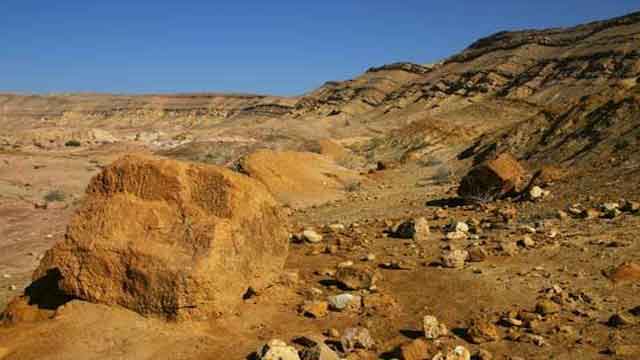
Since being discovered by pilots at the turn of the 20th century a series of low stone walls in the Negev desert of Israel had puzzled scientists for years. The walls could be up to 40 miles long in some places and were nicknamed “kites” as a result of their appearance from the air. Recently, however, it was determined that the walls were actually used by hunters to funnel large animals into pens or off of cliffs where they could easily be slaughtered en mass.
Ancient Troy
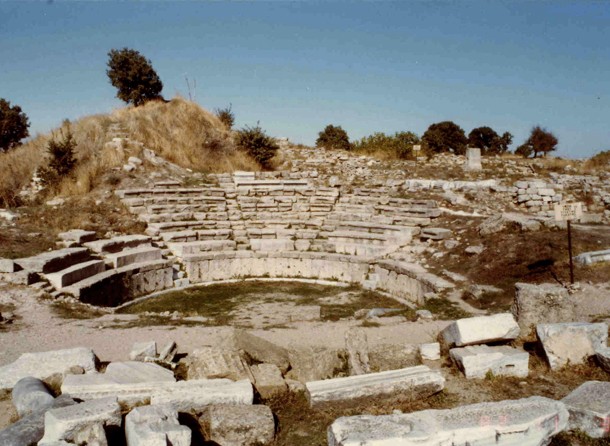
Troy is a city well-known to both history and legend (as well as archaeology), and was situated in northwest Anatolia in what is now Turkey. In 1865, English archaeologist Frank Calvert excavated trenches in a field bought from a local farmer at Hisarlık, and in 1868, Heinrich Schliemann, a wealthy German businessman and archaeologist, also began excavating in the area after a chance meeting with Calvert in Çanakkale and what they found has been generally been agreed upon to be this ancient city.
Acambaro Figures
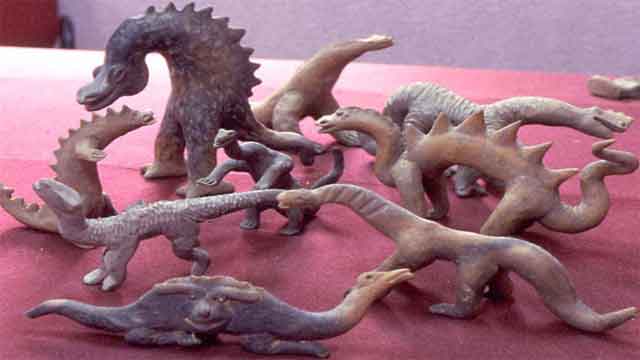
Although most of the scientific community has now agreed that these figures were part of an elaborate hoax, their discovery at first created a bit of a stir. Found in the ground near Acambaro, Mexico were hundreds of little figures resembling both humans and dinosaurs which for a little while led some to believe that the ancients were better archaeologists than previously thought.
Antikythera Mechanism
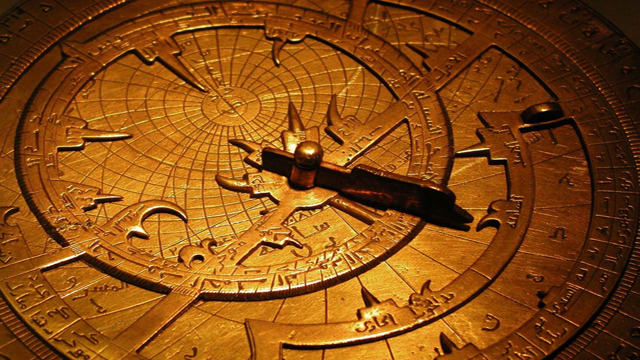
Discovered in a shipwreck off the Greek island of Antikythera around the turn of the 20th century. This 2000 year old device has often been touted as the world’s first scientific calculator. With dozens of gears it can precisely measure the position of the sun, moon, and planets simply by inputting a date. Although there is debate over its exact use it certainly shows that even 2000 years ago civilization was already accomplishing amazingly advanced feats of mechanical engineering.
Rapa Nui
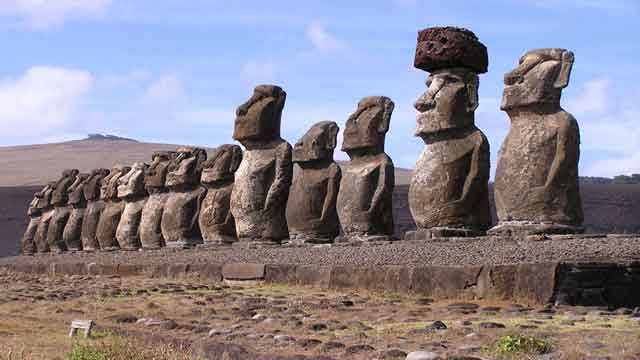
Popularly known as Easter Island, this is one of the most isolated places in the world, thousands of miles off of the Chilean coast in the South Pacific. The most baffling thing about the island, however, isn’t the fact that humans even managed to find and settle it but that they then proceeded to construct enormous stone heads around the island.
The Tomb of Sunken Skulls
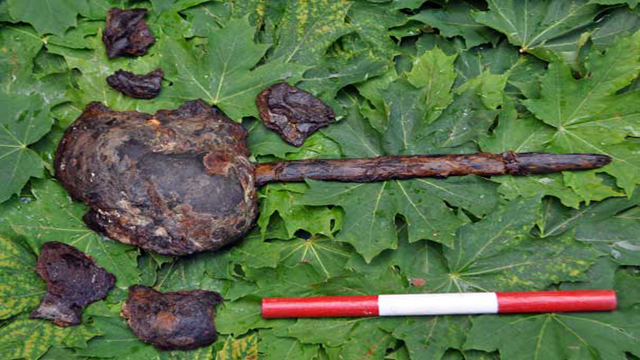
While excavating a dry lake bed in Motala, Sweden archaeologists came across several skulls that had stakes driven directly through their craniums. As if that weren’t bad enough one of the skulls even had pieces of the others skulls crammed up inside it. Whatever happened their 8,000 years ago wasn’t pretty.
Piri Reis Map
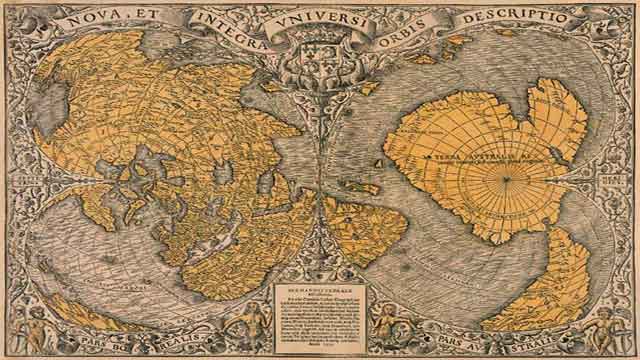
Dating to the early 1500s this map shows the coastlines of South America, Europe, and Africa with amazing precision. Apparently it was constructed by general and cartographer Piri Reis (hence the name) from the fragments of dozens of others.
Nazca Lines
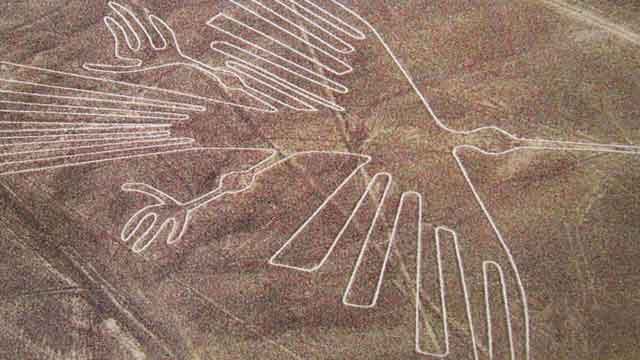
Although they were literally beneath the feet of archaeologists for hundreds of years, the Nazca Lines weren’t discovered until the early 1900′s for the simple reason that they are nearly impossible to see unless you are directly above them. While there have been numerous explanations ranging from UFO’s to technically advanced ancient civilization, the most probable explanation is that the Nazca people were excellent surveyors, although why they would construct such enormous geoglyphs remains a mystery.
Dead Sea Scrolls

Similar to the Rosetta Stone the Dead Sea Scrolls are one of the major archaeological finds of the last century. They contain the earliest known surviving copies of biblical documents that date all the way back to 150 BC.
Mount Owen Moa
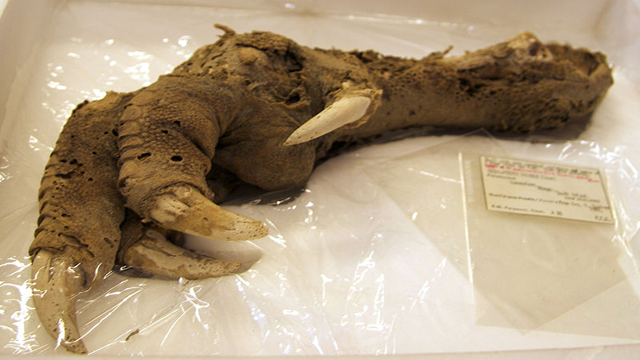
In 1986 an expedition was making its deeper and deeper into the cave system of Mount Owen in New Zealand when it came across the huge claw you’re now looking at. It was so well preserved that it almost seemed like whatever it belonged to had just died recently. Upon excavation and inspection, however, it was determined to belong to an Upland Moa, a large prehistoric bird that apparently came with a nasty set of claws.
Voynich Manuscript
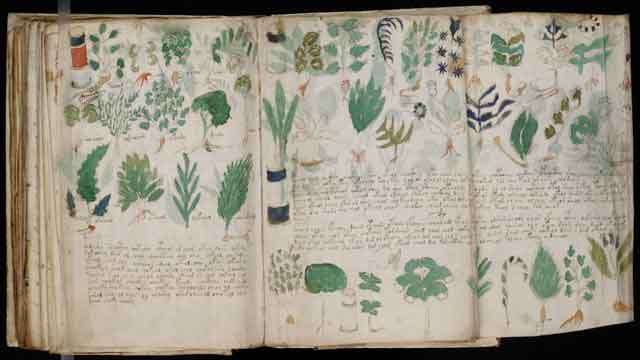
Described as the “world’s most mysterious manuscript” this piece of literature has been dated back to early 15th century Italy. With most of its pages filled with what seems to be herbal recipes, none of the plants match known species and the language remains undecipherable.
Gobekli Tepe
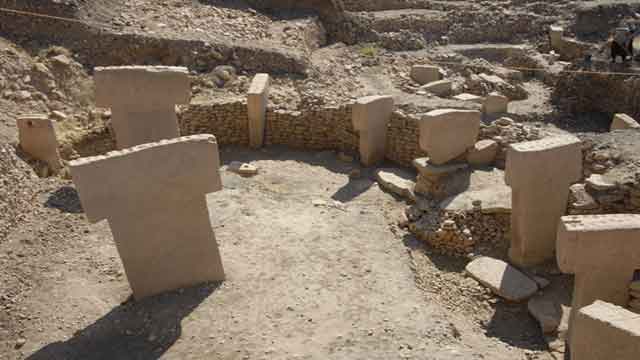
Although at first glance it may seem like nothing more than a bunch of rocks, this ancient settlement discovered in 1994 was constructed roughly 9,000 years ago and is currently the one of the oldest examples of complex/monumental architecture in the world, predating the pyramids by thousands of years.
Sacsayhuaman
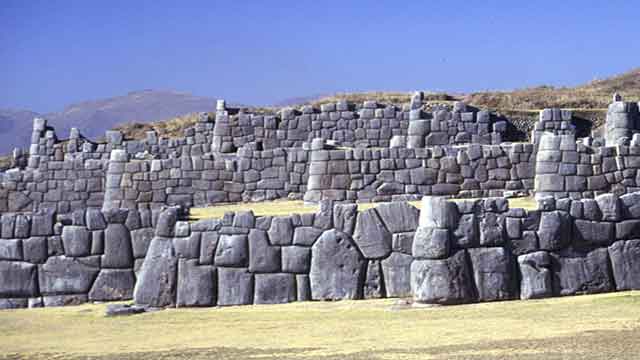
This walled complex just outside of Cusco, Peru is part of what used to be the capital of the Inca Empire. The crazy part about this wall, however, is in the details of its construction. The rock slabs fit together so tightly that it would be impossible to slide even a hair between them. It’s a testament to the precision of ancient Incan architecture.
Baghdad Battery
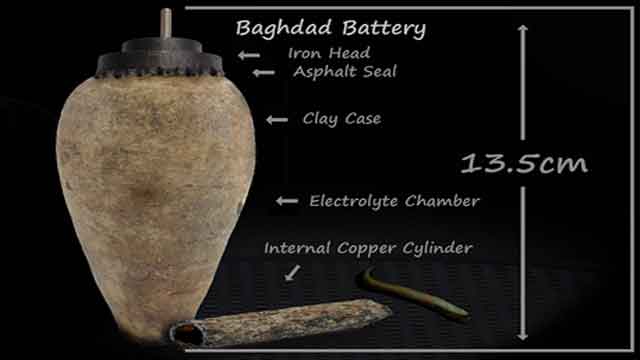
In the mid 1930′s several plain looking jars were discovered near Baghdad, Iraq. No one paid any notice to them until not long after when a German museum curator published a paper claiming that the jars may have been used as galvanic cells, or batteries. Although it may seem far fetched at first even the Mythbusters got on board and confirmed that it was indeed a good possibility.
Headless Vikings of Dorset
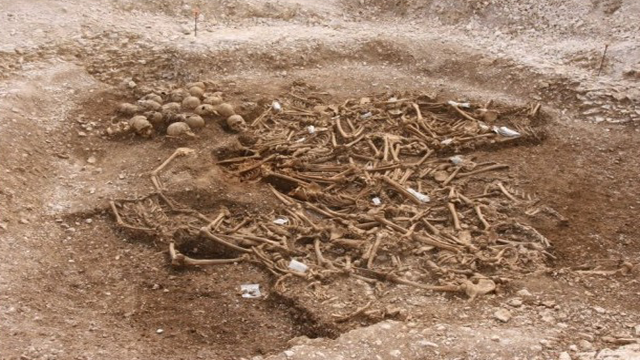
While digging a railroad in Dorset workers came across a small contingent of viking warriors buried in the ground, all missing their heads. At first archaeologists thought that maybe some villagers had survived a raid and exacted their revenge but upon closer inspection things got a little less clear. The beheadings looked too clean and seemed to have been done from the front rather than the back. They are still not sure what happened.