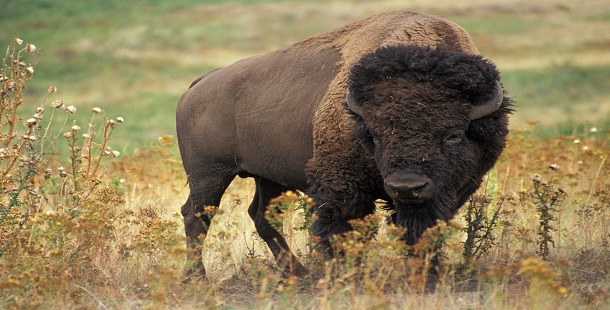
Check out this link on Youtube: http://www.youtube.com/watch?v=XpdoDBYuHIA
Bat Faced Toad
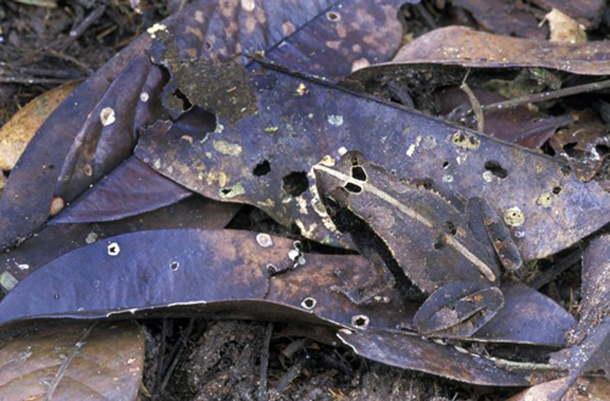
Taken among the leaves of Amacayacu National Park in Colombia this bat faced toad is masterful at blending into its surroundings.
Common Baron Caterpillar
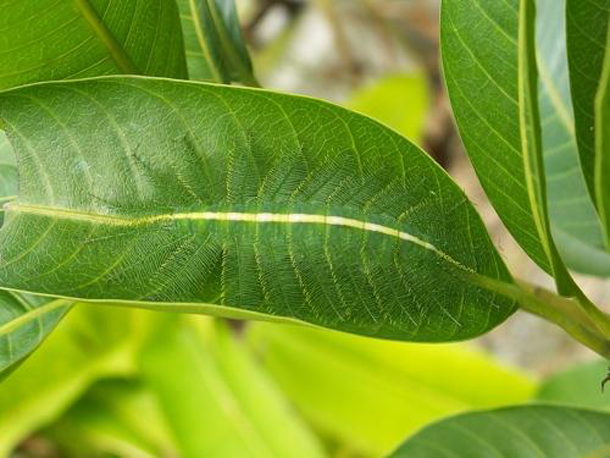
Commonly found in India and Southeast Asia, these caterpillars often blend into the mango plants on which they make their homes and quite often are a big headache to local farmers.
Dead Leaf Mantis
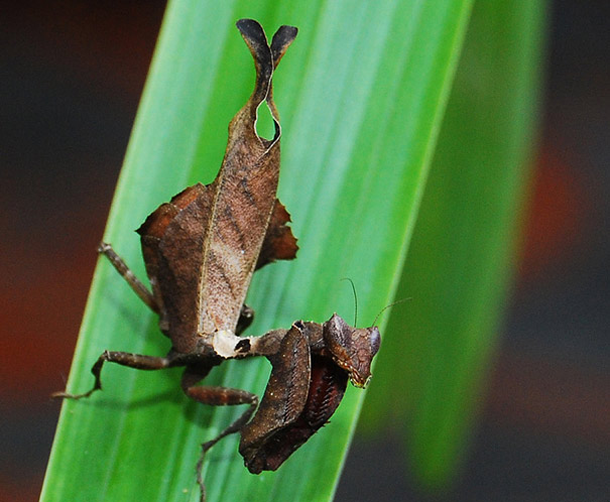
It shouldn’t be too hard to see where this species of mantis got its name.
Mossy Leaf-Tailed Gecko
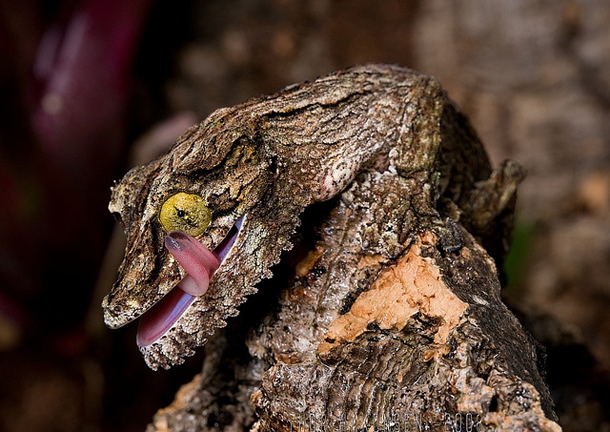
Endemic to Madagascar, this gecko can not only change color to match its surrounding but it also has several dermal flaps that extend outwards to break up its outline.
Dead Leaf Butterfly
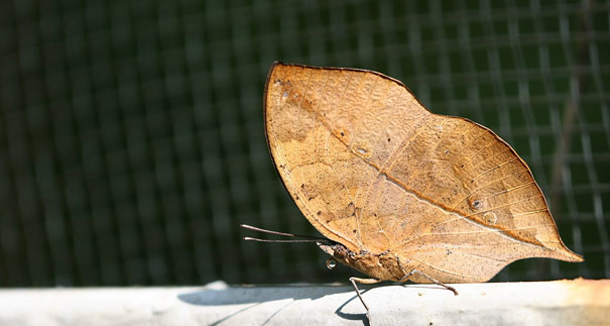
Found throughout tropical Asia, the dead leaf butterfly resembles a dry leaf with dark veins when its wings are closed.
Stonefish
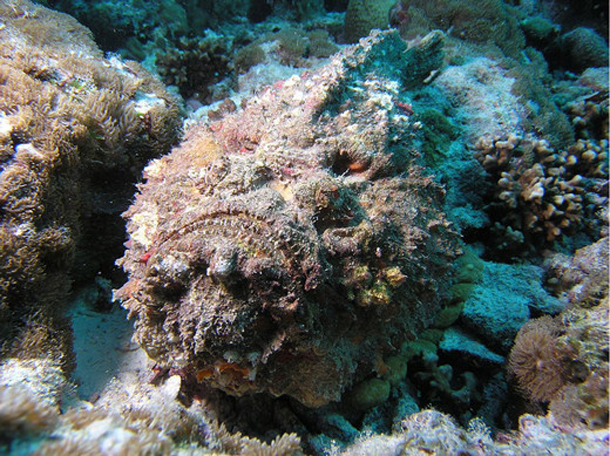
The stonefish is not only ridiculously good at concealing itself but it is also one of the most venomous creatures in the world.
Fantastic Leaf-Tail Gecko
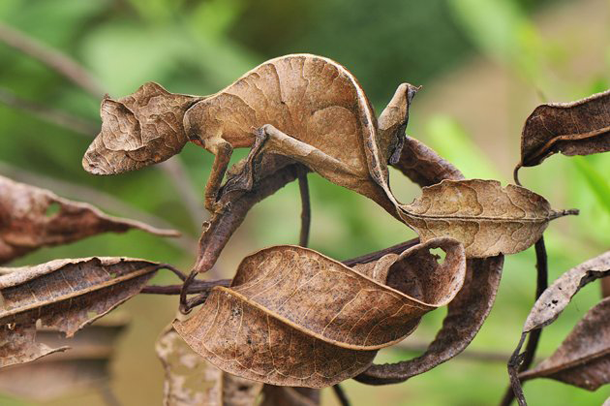
Closely related to the Mossy Leaf-Tailed Gecko, this little critter also makes its home in Madagascar and as you can see from the picture, its fairly obvious where it gets its name from.
Wolf Spider
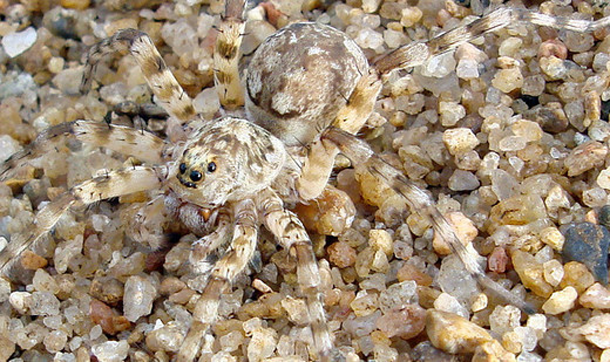
These agile hunters will camouflage themselves against their surroundings and then wait patiently for their unfortunate victims.
Ghost Mantis
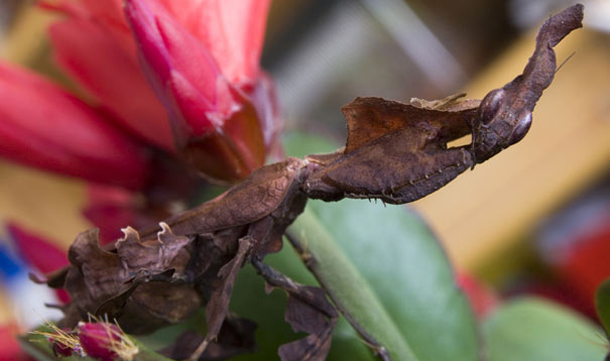
Making its home in Africa and Madagascar the ghost mantis operates in as very similar manner to the wolf spider, waiting patiently for its prey to stumble across its path.
Phyllomimus
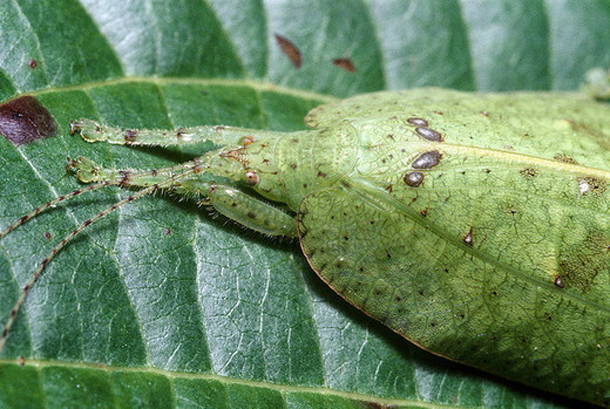
Image SourceMore commonly known as a leaf katydid, this photo was taken on Mt Trus in Borneo.
Great Grey Owl
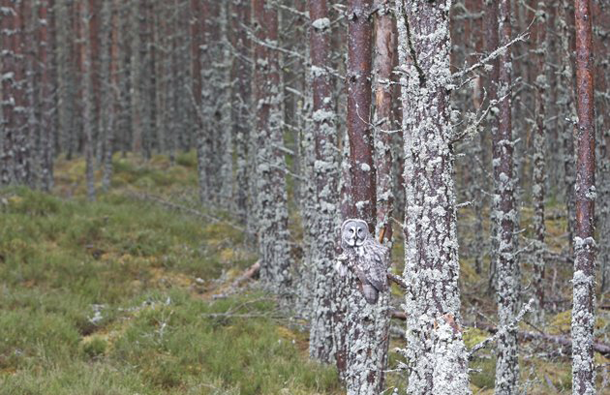
In spite of its large size, the great grey owl has no problem concealing itself, especially in the cold northern regions it typically inhabits.
Pale-Throated Three-Toed Sloth
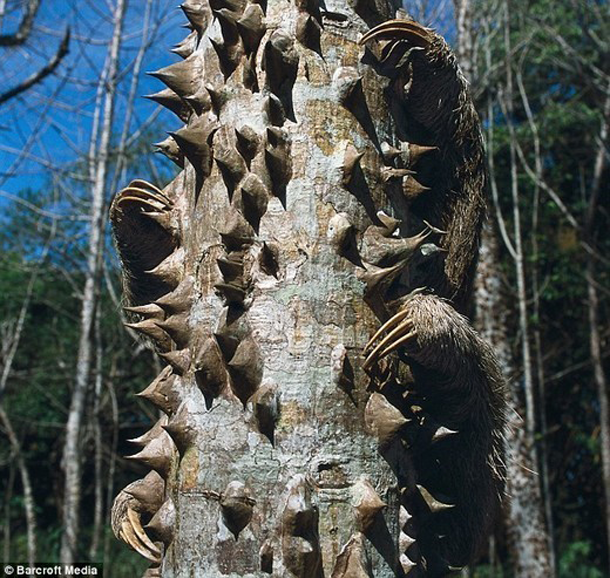
Although sloths aren’t typically known for their camouflage, this photo taken in South America manages to make the sloth seems like a master of disguise.
Southern Rock Agama Lizard
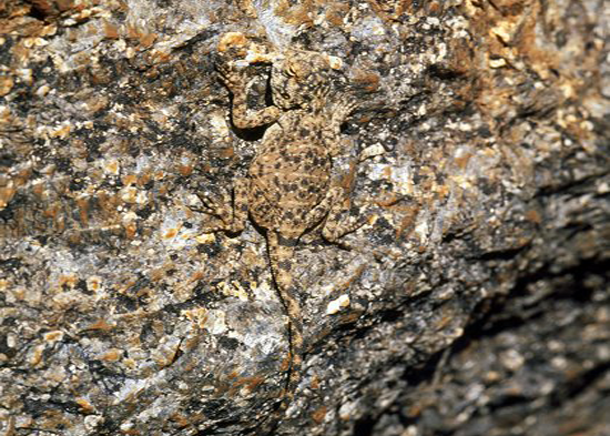
Found mostly in South Africa, this species of lizard is known for its ability to blend into the surrounding rocks.
Leafy Sea Dragon
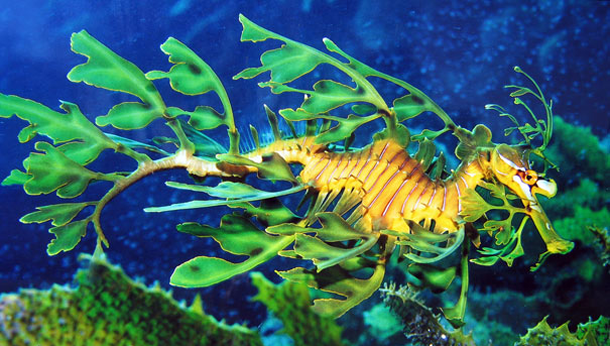
Closely related to seahorses the leafy sea dragon can be found up and down the coast of Australia and is well known for the long leaf like protrusions it uses for camouflage.
Pygmy Seahorse
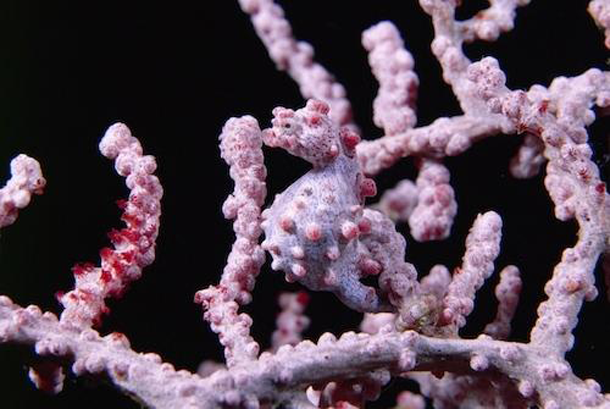
As a result of its small size and extreme level of camouflage this species of seahorse wasn’t discovered until the coral upon which it resides was closely examined in a laboratory.
Right Eyed Flounder
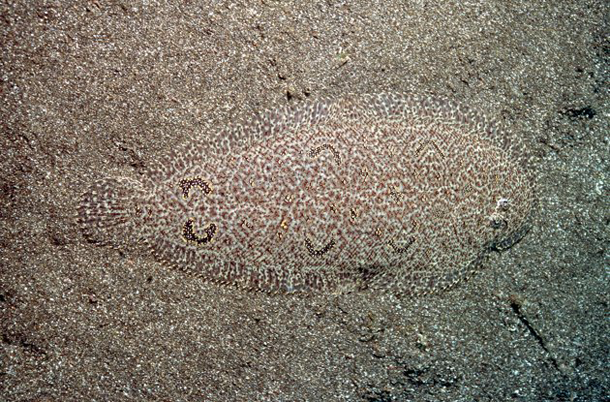
Because they always lie on the ocean floor on their left side, this species of flounder has both eyes on its right side, hence the name.
Orchid Mantis
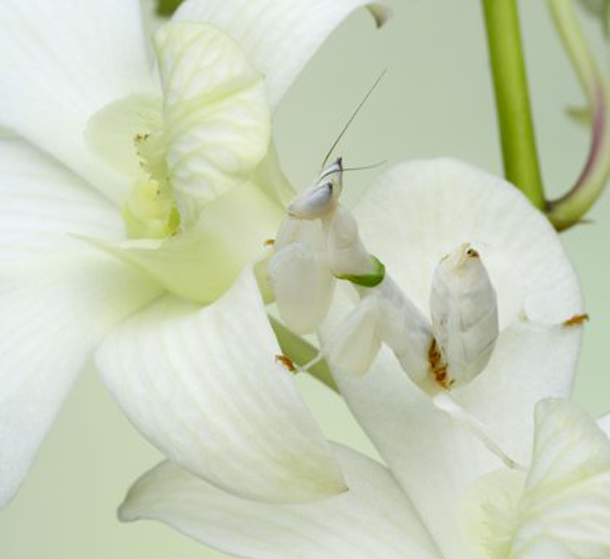
Thriving in the humid and warm Indonesian rainforests, this mantis can usually be found on papaya trees and will pretty much eat anything it catches.
Egyptian Nightjar
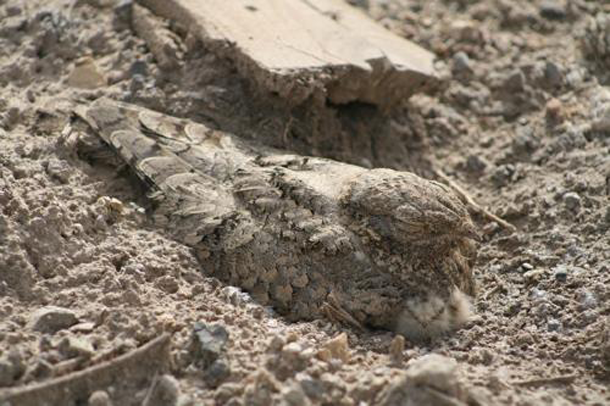
Usually flying at night, the nightjar usually lies concealed in the dirt during the day.
Cuttlefish
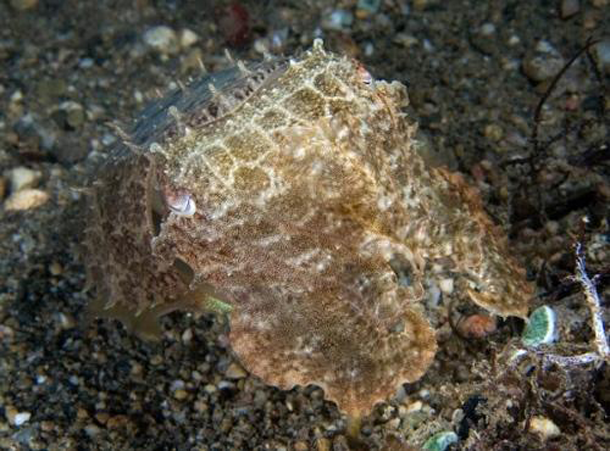
Despite the name, this isn’t really a fish. It’s a mollusk, and a very well hidden one at that. Besides their insane camouflage skills they are also considered to be one of the most intelligent invertebrates with a very high brain to body mass ratio.
Leaf Katydid
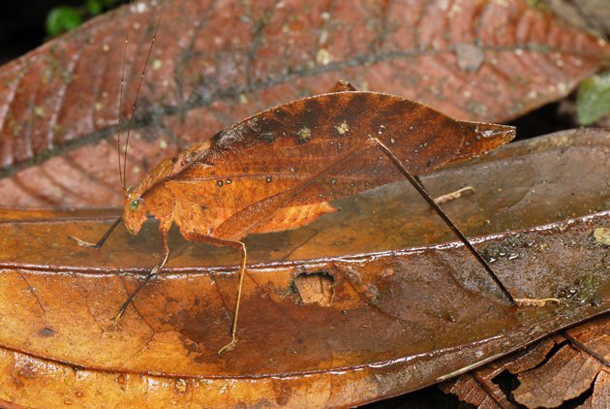
Although we already saw a katydid at number 16, there are over 6,400 species, and almost all of them are extremely good at blending into their environment.
Chameleon
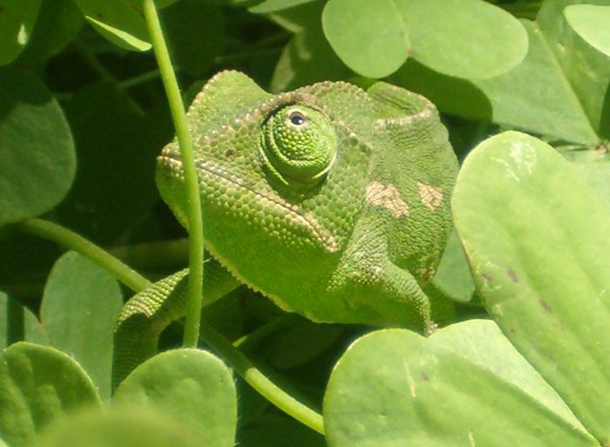
It should go without saying, but this list wouldn’t be complete without the most popular camouflager of them all.
Paradoxophyla Palmata
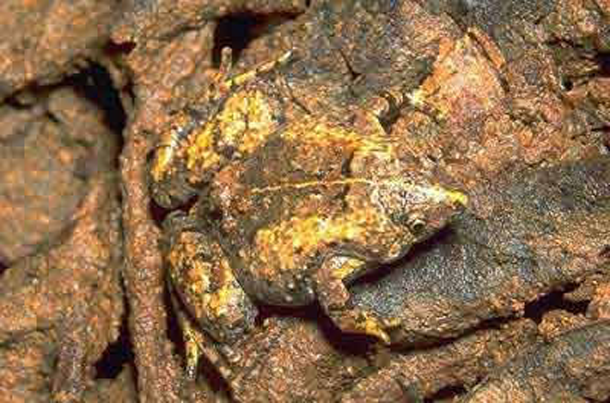
Threatened by habitat loss, this unique and difficult to spot frog species is endemic to Madagascar.
Knobbly Crab Spider
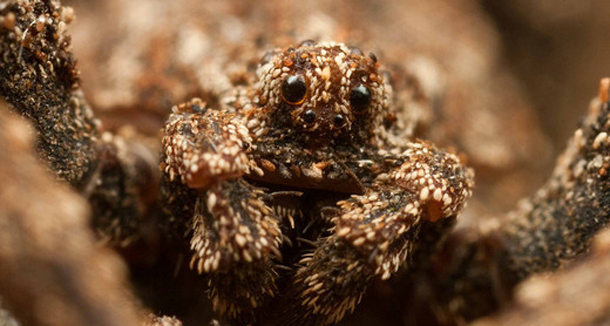
Living on the east coast of Australia, this shy spider is very hard to spot unless it is moving. Usually however, if you do manage to spot one, it will be resting among tree bark.
Horned Rockdweller Dragonfly
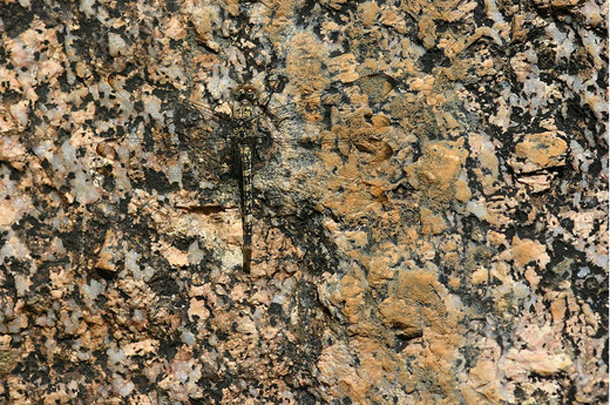
This species of dragonfly doesn’t play any games when it comes to blending in.
Indonesian Mimic Octopus
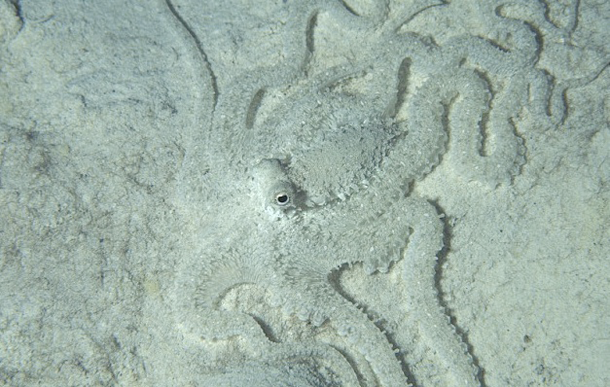
Not only does this species of octopus change its colors to mimic other animals, it actually imitates them as well. In fact, it has been known to copy everything from sea snakes to jellyfish.